
The Best Alcove Soaking Tubs For Your Bathroom (Complete Buying Guide)
If you want to turn your bathroom into a luxurious spa retreat then you need to know about alcove soaking tubs!
Adding a soaking tub to your bathroom is a great way to create a relaxing and functional space you will be excited to use.
Alcove style bathtubs are the most common style of tubs that we see in homes in our area. If you have one in your home right now, that means that you wouldn’t necessarily need to spend the money to reconfigure your layout to get the tub you’re dreaming about - you just need to change out the tub for a deeper soaking depth!
We have noticed many of our clients seeking bathroom remodels want to take the leap to an alcove soaking tub in order to make their home more usable as they age.
A deeper tub also allows more flexibility for families with children and pets that need more space than their current tub can offer. Below, we're covering what actually makes a tub a "soaking" tub, how to measure and shop for one, our favorite deep options at every price point, and the safety and installation details that matter most before you buy.
Affiliate Disclosure: As an Amazon Associate I earn from qualifying purchases. You should assume the owner of this website has an affiliate relationship and/or another material connection, to any suppliers of goods and services that may be discussed here and may be compensated for showing advertisements or recommending products or services, or linking to the supplier's website.
Table of Contents
What Are Alcove Soaking Tubs?
Alcove tubs are connected to walls on three of their four sides. What differentiates a regular tub from a soaking tub is the depth and volume of water it can hold below the overflow.
A standard alcove tub will have an average depth of 14-15 inches with a soaking depth of around 9 inches. Most adults could not have their body fully submerged in a standard size tub.
On the other hand, alcove soaking tubs can vary on their depth and size, but will generally have a depth of 19-20 inches with 14 or more inches of soaking depth.

How to Measure Your Space Before You Shop
Before you fall in love with a specific tub, it's worth confirming it will actually fit your existing alcove. This saves you from a return (tubs are not cheap or easy to ship back) and a lot of frustration mid-remodel.
Width and length of the alcove opening: Most alcove tubs are a standard 60" long x 30" or 32" wide, but always measure your specific space rather than assuming. Measure at multiple points, since older homes especially can have walls that aren't perfectly square.
Wall height available: A deeper soaking tub means a taller tub wall. Make sure there's enough vertical clearance for the flange to sit properly, especially if there's a window or other obstruction nearby.
Doorway and stairway clearance: This gets overlooked constantly. A heavier, deeper soaking tub (especially cast iron or stone resin) needs a clear path from the delivery truck to the bathroom - measure doorways, hallway turns, and stairs before you order.
Drain and overflow location: Confirm the new tub's drain and overflow placement matches (or can reasonably be adjusted to match) your existing plumbing, since a mismatch can add real cost to your installation.
Weight considerations: If you're on an upper floor, a heavier tub material may need your contractor to double-check the floor framing can support it, especially once it's filled with water and a person.
Alcove Tub Materials: Which Is Right for You?
Not all alcove soaking tubs are made the same way, and the material affects price, weight, heat retention, and how the tub feels to actually sit in.
Acrylic - The most common choice for good reason: lightweight, warm to the touch, holds heat well, and comes in the widest range of shapes and soaking depths. It can scratch more easily than some other materials, but scratches are typically easy to buff out.
Cast Iron (enamel-coated) - Extremely durable and excellent at retaining heat, which is a big deal for a soaking tub since you want that water to stay warm. The tradeoff is significant weight, which may require floor reinforcement, and a higher price point.
Fiberglass - The most budget-friendly option and lightweight, but it doesn't retain heat as well as acrylic or cast iron and can feel less substantial. A reasonable choice if budget is the primary driver.
Stone Resin / Composite - A newer category that combines a stone-like look and feel with better heat retention than fiberglass. Often priced between acrylic and cast iron.
For most soaking tub shoppers, we recommend acrylic as the sweet spot of price, heat retention, and weight - which is also why most of our favorites below are acrylic.
Installing Surrounds With Alcove Soaking Tubs
If you have been researching tubs for awhile, you may have noticed from looking at different tub options that alcove soaking tubs come with a lip around the edge at the top, called the flange. The flange is what gets attached to the studs in the walls to secure the tub in place.
Here is what that the flange looks like:
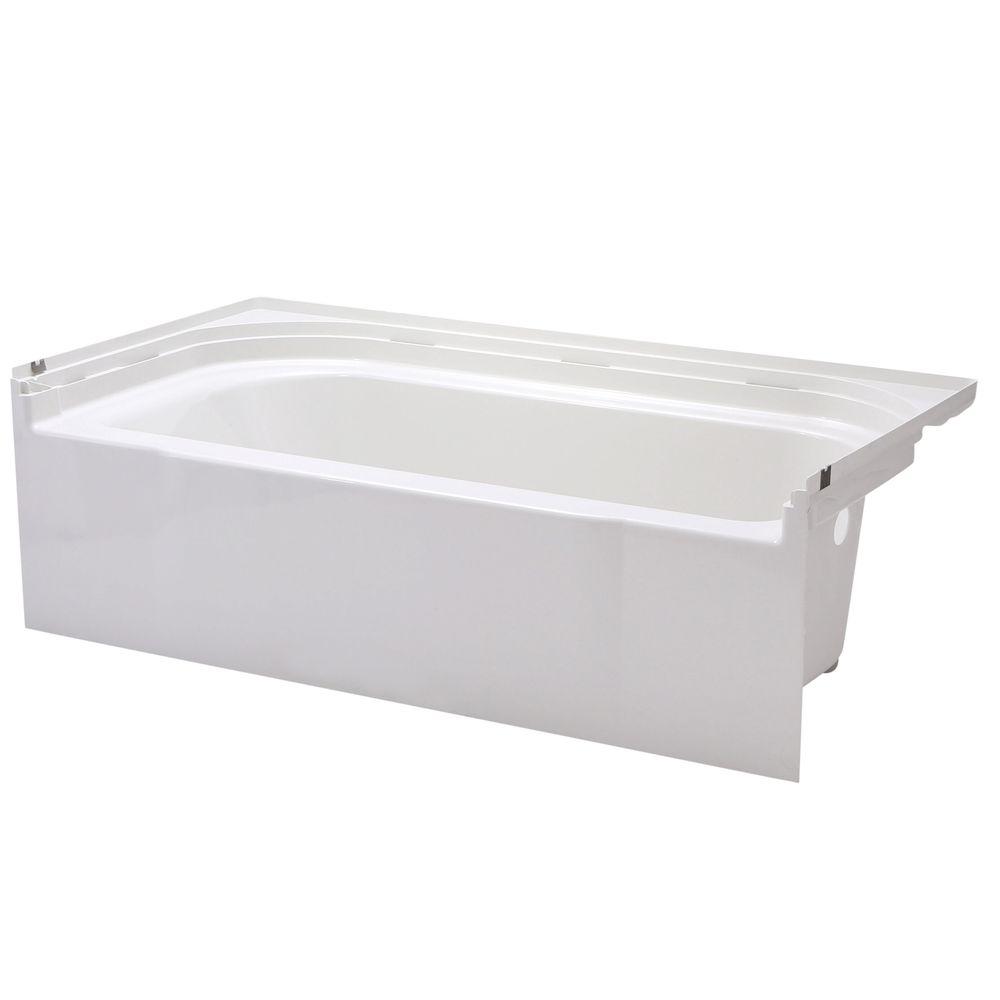
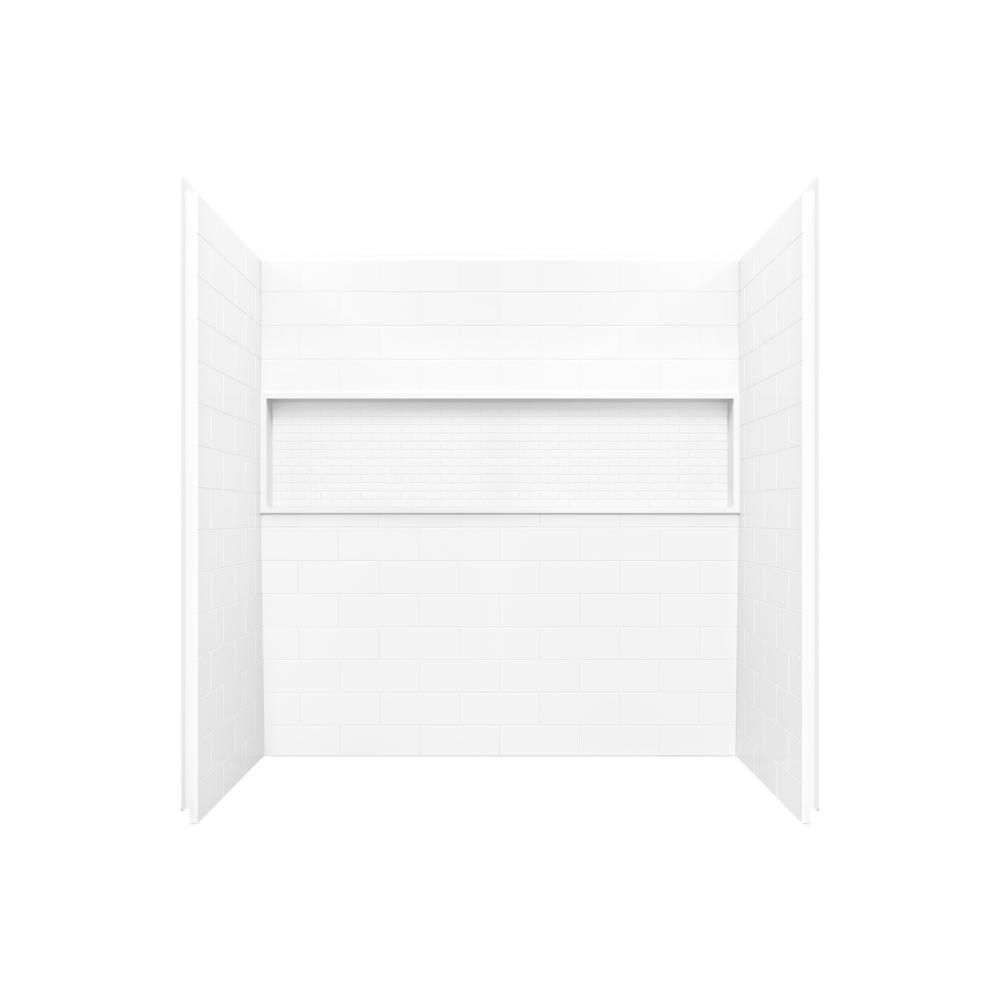
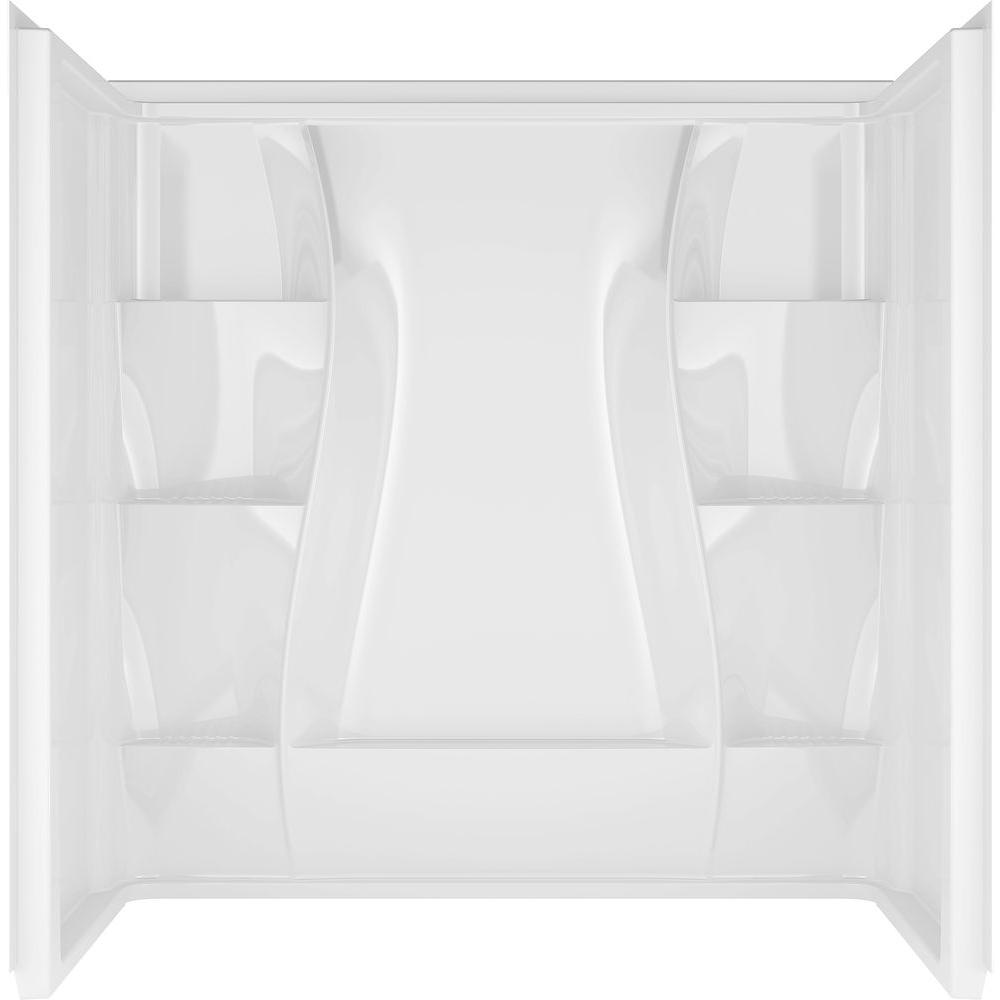
After the tub is installed by being attached to the studs in the wall, your chosen style of surround would be installed. With an alcove soaking tub you can choose to tile down over the flange to seal the edge so water doesn’t get between the tub/shower and the wall, or you can buy alcove surround wall kits that will be installed over the edge of the flange and siliconed in place to keep the water from going where it isn’t supposed to go.
Related: 6 Stages Of A Bathroom Remodel
My Favorite Deep Alcove Soaking Tubs:
* Click the image or link to be taken to the seller’s site *

Without a doubt this is the most selected alcove soaking tub by our clients. It is not hard to understand why with the ultra deep soaking depth of almost 19 inches! The design blends well in homes ranging from new construction to 100 years old and is an instant favorite by anyone who is lucky enough to use it.
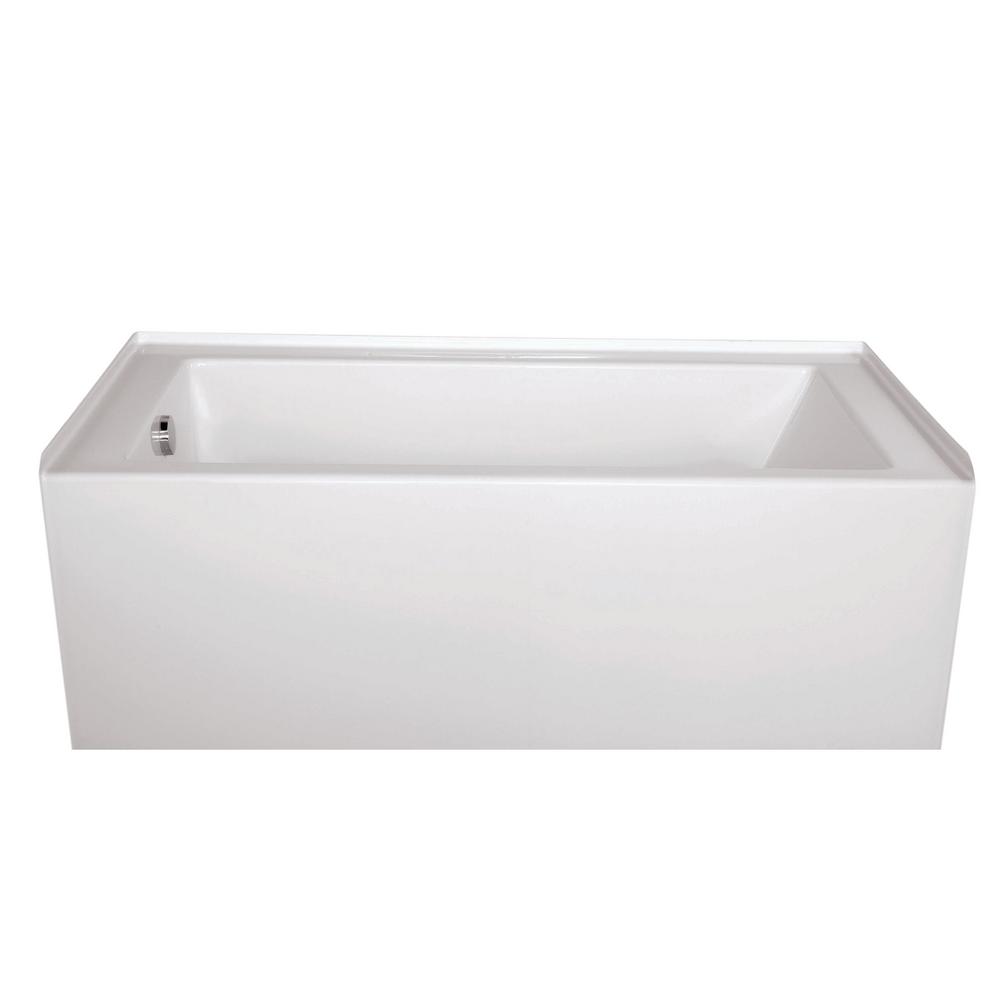
When looking for beautiful, deep alcove soaking tub, this option is hard to beat! It is offered in 4 colors: almond, white, biscuit and bone, to fit any specific design you may have in mind for your space. All of this is complemented by the clean design and a luxurious 17.5” soaking depth.
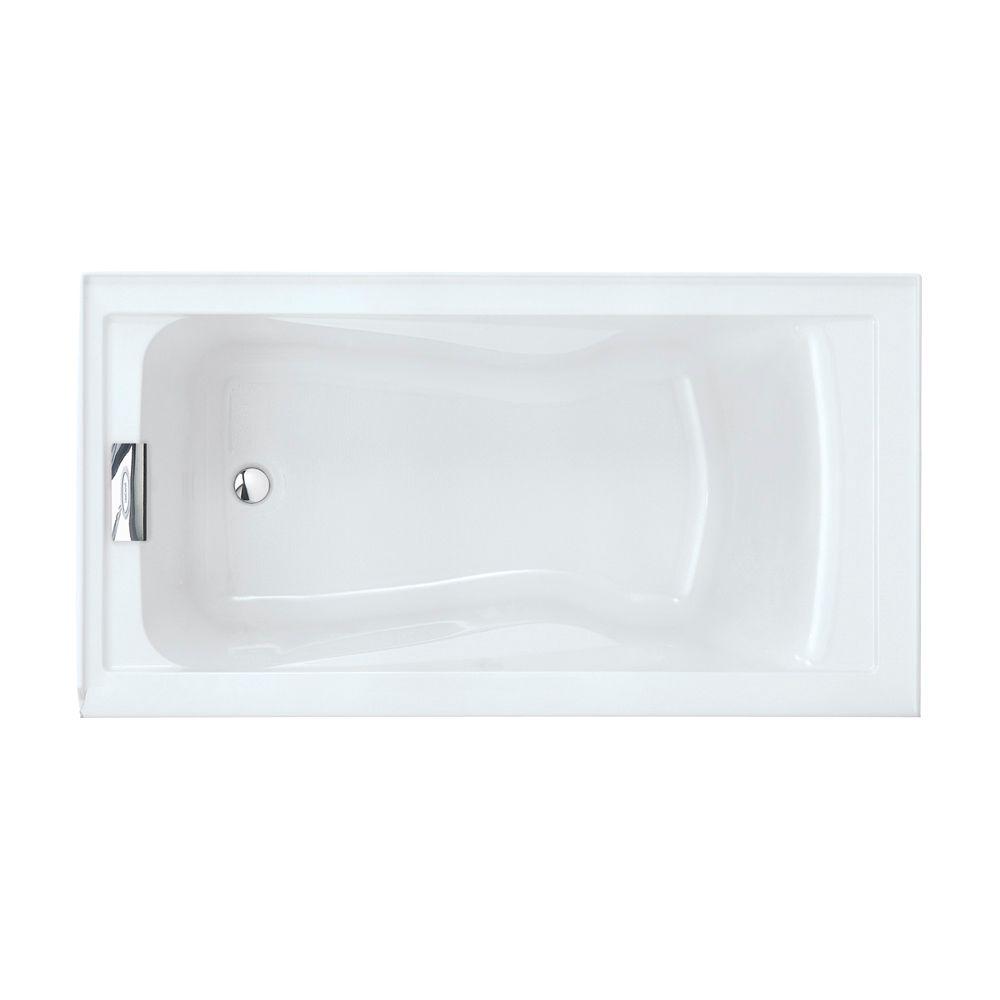
If you want a deep soaking tub that was created for maximum comfort, look no further! The molded design creates a backrest and arm rests to allow you to soak in the 17.5” water depth with utmost ease.
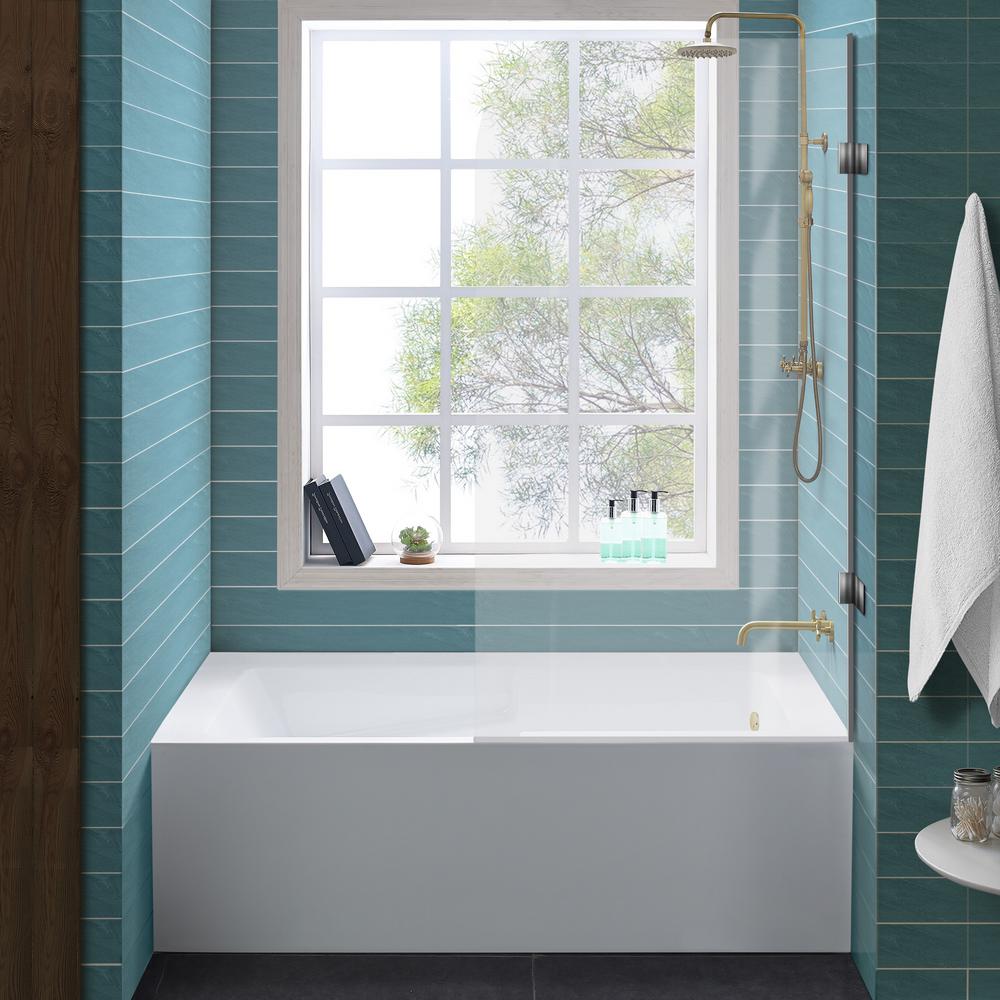
This classic, contemporary alcove soaking tub is a favorite for its comfortable soaking depth and unique molded design. Inside the tub are actually armrests to make sure you enjoy maximum relaxation!
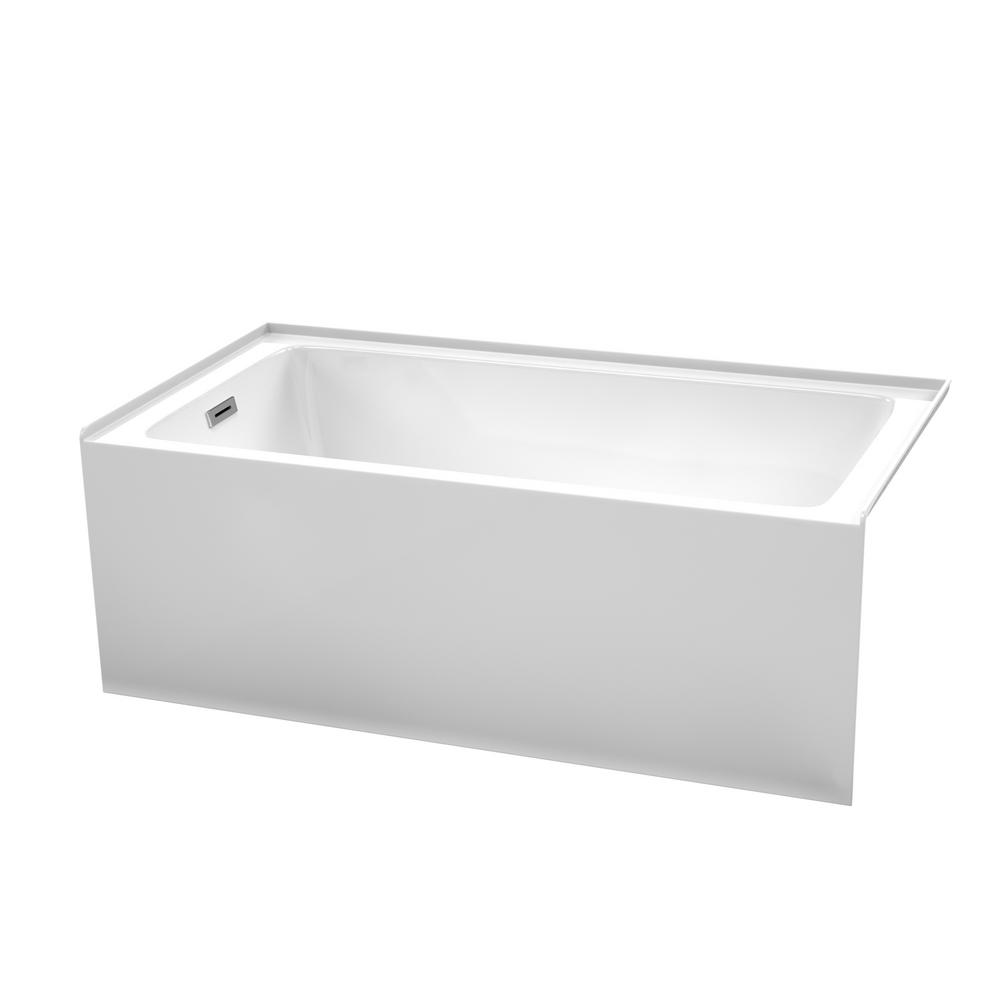
This tub is one of my personal favorites - I even have it in my own home! What makes this tub great is not only the soaking depth but also the sitting area on the bottom of the tub. With 22 inches of width at the bottom, it makes for a comfortable experience for a variety of shapes and sizes! This alcove soaking tub is a great price and a contemporary, sleek design that works well in a wide variety of homes.

This is a beautiful soaking tub that is not only deep, but also offers over 19 inches of sitting area on the bottom! The rave reviews mention loving the design, the depth, and the ease of use as just a few of the highlights.
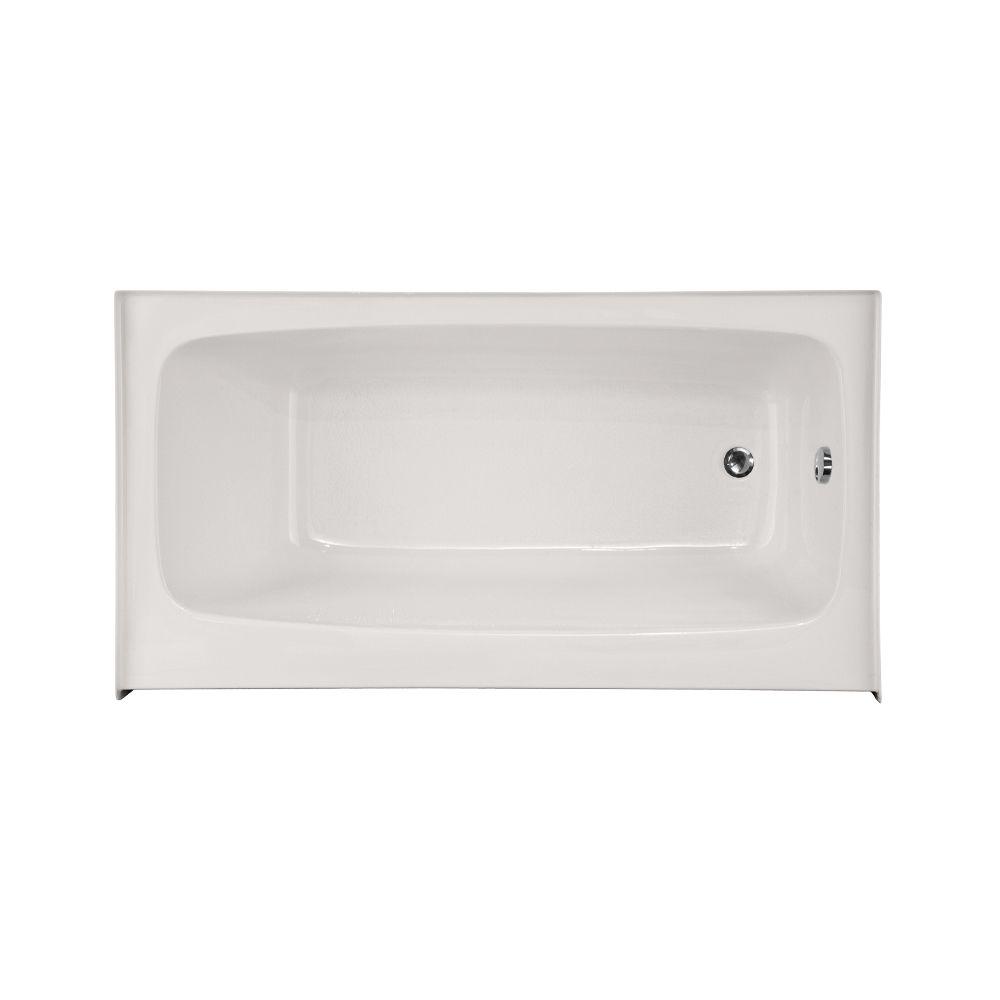
When looking for an extra long tub that is also extra deep, this classic design deep alcove soaking tub is for you! Especially for anyone who is tall, choosing this spacious soaking tub could be a real game-changer with the 50” of length and 18.5” of width in the sitting area. Reviewers love the size and comfort of this large and sturdy tub!
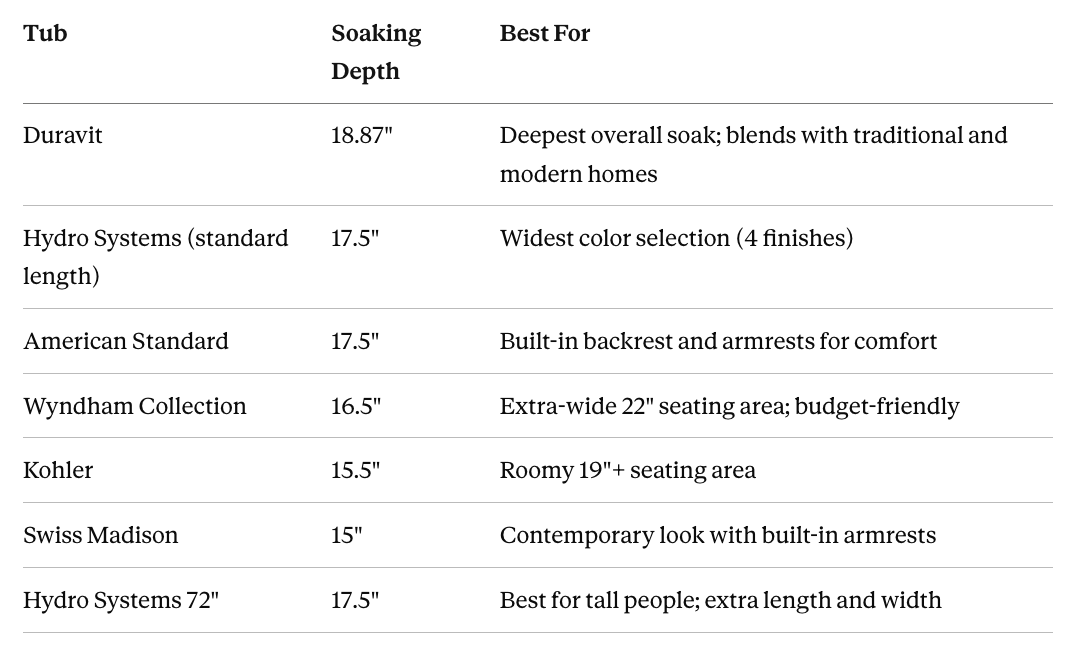
Quick Comparison: Soaking Depth at a Glance
Safety Considerations For Alcove Soaking Tubs:
The very thing that we love about alcove soaking tubs, their depth, is also something that can create safety concerns for some people. Getting in and out of a soaking tub can be more difficult because of the height of the edge that needs to be stepped over. When the tub is slippery, it is even important to consider the safety of those who will be using the tub. That’s why adding grab bars is practical and offers an added sense of security for people of all ages.

When in use, the bottom of the tub may also be slippery, depending on the brand purchased and whether or not it has texture to it. If you find the tub is slippery, you may also want to consider adding non-slip stickers or a non-slip bathtub mat as an added layer of safety. The non-slip treads or tub mat will be an easy and inexpensive way to ensure safer steps while enjoying your new tub.


A couple of other safety details worth planning for at the same time as your tub purchase: a contrasting-color tub edge (tile or high contrast strip) or even a step stool can help with depth perception when stepping over a taller wall, and if you're adding grab bars, it's worth having your contractor install blocking in the wall in the exact spots you'll want them - even if you don't install the bars right away, having that reinforcement in place makes it a much easier add later.
Aging in Place: Why Soaking Tubs Are a Popular Remodel Choice
We mentioned it above, but it's worth expanding on: a surprising number of our clients choose a soaking tub not for luxury alone, but as part of planning ahead. A deeper tub allows someone to sit with water covering their shoulders while seated, which can be more comfortable and put less strain on the back and joints than reclining flat in a shallow standard tub. Pairing a soaking tub with a grab bar, a non-slip surface, and a slightly lower step-over height (some brands offer this as an option) can make a bathroom feel both more luxurious today and more usable for years to come - which is part of why this upgrade tends to be one of the more satisfying ones in a bathroom remodel.
Faucets For Alcove Soaking Tubs:

When you decide to get add an alcove soaking tub to your bathroon, don’t forget to check on the faucet location for your new tub. You will want to make sure the faucet you choose extends far enough from the wall to reach past the edge of the tub and that it is high enough in the wall to allow for the new taller height of your soaking tub. You’ll want to note if the measurements don’t line up and let your plumber know before install that the valve and faucet will have to be replaced/relocated.
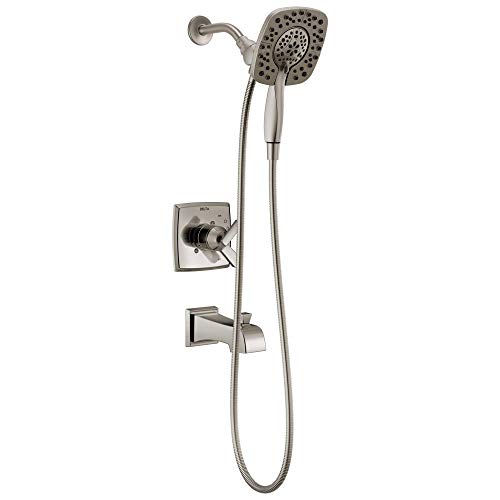


A quick tip: if your new soaking tub holds significantly more water than your old tub, it's worth asking your plumber whether your water heater's capacity is enough to fill it with comfortably hot water in one go - this is an easy detail to overlook until the first bath night.
Caring for and Cleaning Your Soaking Tub
Acrylic tubs: Clean with a non-abrasive cleaner and a soft cloth - abrasive powders and scrub pads can dull the finish over time. Minor scratches can often be buffed out with a specialty acrylic polish.
Cast iron tubs: The enamel surface is durable but can chip if heavy objects are dropped in the tub, so avoid abrasive cleaners that can wear down the glossy coating over time.
All tub types: Rinse and dry the tub surface after use when possible to reduce soap scum and mineral buildup, and address any grout or caulk cracks at the tub/surround seam quickly to prevent water from getting behind the wall.
Common Mistakes to Avoid
Not measuring the delivery path. A beautiful, heavy tub that can't make it around a hallway corner or up the stairs is a costly mistake to discover on delivery day.
Forgetting to plan for the faucet height and reach. A standard faucet installed for a shallow tub often won't clear the wall of a deeper soaking tub.
Skipping the water heater capacity check. A gorgeous deep soaking tub loses some of its appeal if you can only fill it halfway with warm water.
Choosing depth without considering step-over height. The deepest tub isn't always the most comfortable one to get in and out of - especially for households with young kids or older adults.
Not planning grab bar blocking during the remodel. Adding grab bars later, after the wall is finished, is a much bigger (and more expensive) job than planning for it during installation.
Budgeting for a New Alcove Soaking Tub
Fiberglass soaking tubs: roughly $300-$600
Acrylic soaking tubs: roughly $500-$1,500, depending on brand and features
Stone resin/composite soaking tubs: roughly $1,000-$2,500+
Cast iron soaking tubs: roughly $1,200-$3,000+
Professional installation (tub swap only, existing plumbing): typically a few hundred to over a thousand dollars depending on your area and whether surround/tile work is included
Full surround or tile work: highly variable, but budget separately from the tub itself, since this is often the larger portion of the total project cost
Frequently Asked Questions
-
It comes down to depth and water volume below the overflow. A standard tub typically holds around 9 inches of water when seated, while a true soaking tub holds 14 inches or more, allowing for a deeper, more fully submerged soak.
-
In many cases, yes - most soaking tubs are made in the same standard 60" x 30"/32" footprint as a typical alcove tub, but the walls are taller. Always measure your specific space and check the manufacturer's exact dimensions before ordering.
-
Not necessarily, but it's worth checking your water heater's capacity against the tub's water volume, especially if you're upgrading from a standard tub to a much deeper one, so you can fill it with comfortably warm water.
-
They can be, especially when paired with safety additions like grab bars and a non-slip surface. The main consideration is the taller step-over height compared to a standard tub, which is worth planning around if mobility is a concern.
-
Tub cost alone typically ranges from a few hundred dollars for fiberglass to a few thousand for stone resin or cast iron, with installation and any surround or tile work as a separate cost on top of that.
-
Cast iron holds heat the longest, followed by stone resin/composite, with acrylic performing reasonably well and fiberglass losing heat fastest.
-
Setting the tub itself is sometimes DIY-able for an experienced homeowner, but connecting or relocating plumbing, and properly sealing the surround, is typically a job we'd recommend leaving to a licensed plumber to avoid leaks and water damage down the road.
Conclusion
Adding an alcove soaking tub is one of the most rewarding upgrades you can make to a bathroom - it turns an everyday fixture into something you actually look forward to using, while also making the space more comfortable and usable for years to come. Whether you're drawn to the deep soak of the Duravit, the extra seating room of the Wyndham Collection, or simply want a tub that will grow with your family, taking the time to measure, choose the right material, and plan your safety features up front will make the whole project go smoothly.
Now I want to hear from you - What made you decide to consider an alcove soaking tub? Share it with me in the comments below!



Discover why a cozy minimalist bedroom can genuinely help you sleep better, plus 35+ affordable finds for bedding, lighting, and decor that create a calm, restful space.