
These In-Shower Foot Rest Ideas Will Make You Excited For Shaving
Is an in-shower foot rest on your wish list for your perfect shower? If your answer is yes, you're definitely not alone. Recently we've noticed more clients requesting to add foot rests into their shower designs, which inspired us to dig deeper into the options available so we could share them with you.
An in-shower foot rest is one small thing that can make a huge difference in the comfort and enjoyment of using a shower, because it makes daily grooming and washing so much easier. Below we walk through the different types of in-shower foot rests, how to figure out which one is right for your space, sizing and placement tips, and some of our favorite options to consider.
Affiliate Disclosure: As an Amazon Associate I earn from qualifying purchases. You should assume the owner of this website has an affiliate relationship and/or another material connection, to any suppliers of goods and services that may be discussed here and may be compensated for showing advertisements or recommending products or services, or linking to the supplier's website.
Quick Buying Checklist
If you're short on time, here's what I'd check before buying:
Decided permanent vs. movable - are you remodeling, or do you want something you can add without construction?
Measured your shower - corner space, wall space, and floor space available
Picked a height - most foot rests sit somewhere between 12" and 20" off the shower floor
Checked the mounting method - adhesive, screw-mounted, tiled-in, or freestanding
Confirmed weight capacity - especially for wall-mounted or adhesive options
Matched the finish - to your existing shower hardware (chrome, matte black, brass, etc.)
Checked material for a wet environment - teak, tile, and metal all handle water differently
What Is an In-Shower Foot Rest?
An in-shower foot rest, sometimes called a shaving pedestal, offers a place to rest your foot in an elevated position - usually to make shaving your legs or washing easier without having to balance on one leg or awkwardly prop your foot on the tub wall.
It can be a permanently installed feature built into the shower, or a freestanding piece of furniture you simply set on the shower floor, depending on your space and needs.
In-Shower Foot Rest Benefits
Everyone has their own reason for wanting one, but these are the most common reasons our clients give us:
Elevated foot position makes it much easier to reach when shaving, washing, or drying off
Added comfort while showering, especially for anyone who struggles with balance or flexibility
Customizable height with installed options, so it's built exactly to what's comfortable for you
Reduces slipping risk compared to balancing on one leg or propping a foot on a wet ledge or tub wall
A small design upgrade that adds a spa-like, intentional feel to a shower remodel
Style Options For In-Shower Foot Rest:
There are three main routes to go, and which one makes sense really depends on whether you're remodeling or just upgrading an existing shower.
Permanently Installed In-Shower Foot Rest
If you're planning to remodel your shower, or you're currently mid-remodel, adding a permanent in-shower foot rest is a great option to build in from the start.


Depending on the space available and your personal preference there are both pre-made corner or pre-made niche options that can be installed when tile is installed or formed recessed niche options that need to be tiled to blend seamlessly into your shower.
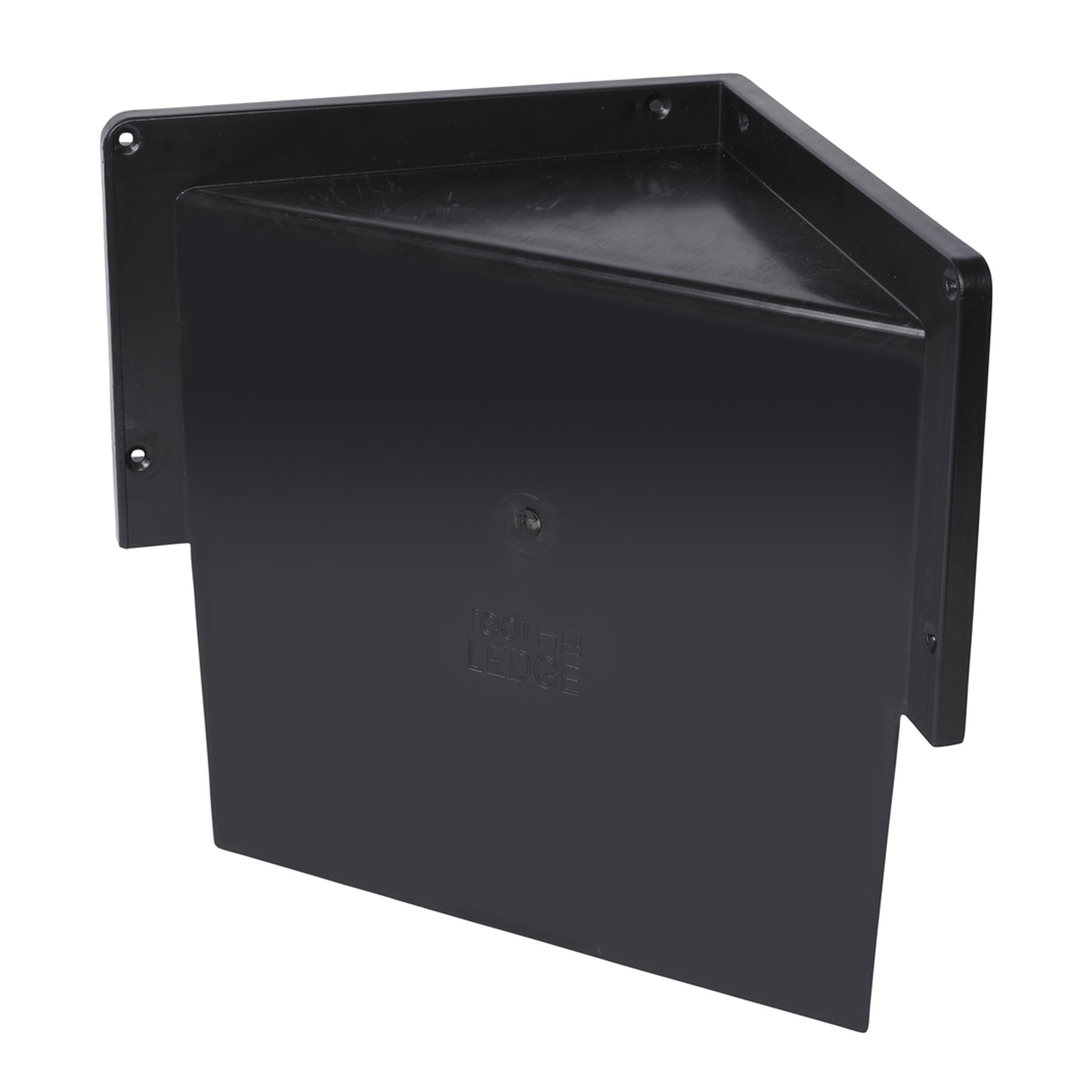
One of the major benefits of choosing a permanently installed in-shower foot rest is that it will be the most secure option since you know, if installed and used correctly, it should not shift or move during use. Another plus side is that it can be installed at any height you prefer, to make it personalized to your needs.
Furniture In-Shower Foot Rest
When you're looking for a less permanent option, movable furniture-style foot rests are a great place to look.


Whether you choose a corner foot rest to save space in a small shower, or an angled wood or plastic option with storage, you’ll be able to enjoy all the benefits without any of the commitment that comes with a permanently installed option. This is also the easiest option for renters, since nothing needs to be mounted or altered.
Wall Mounted In-Shower Foot Rest
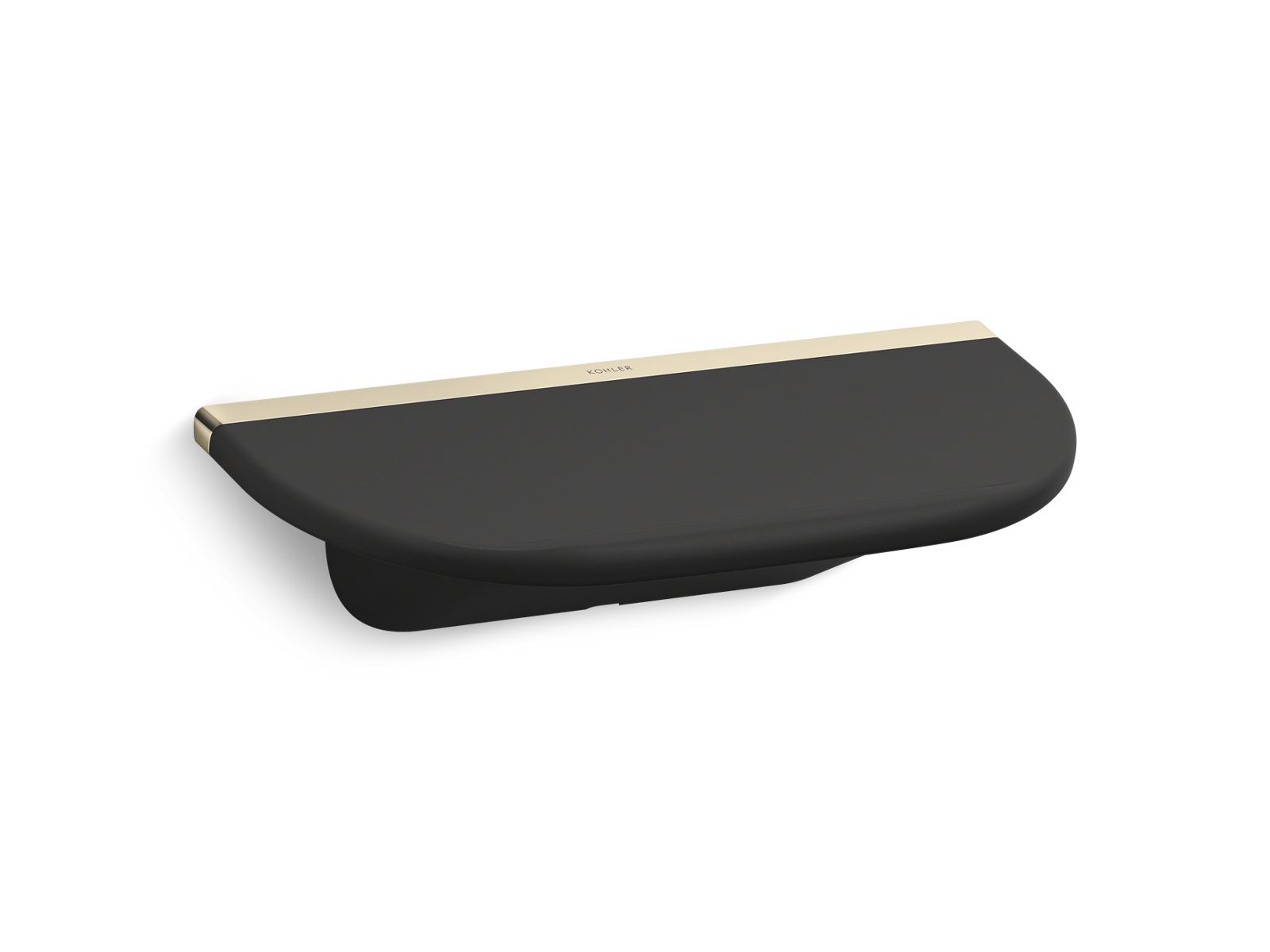
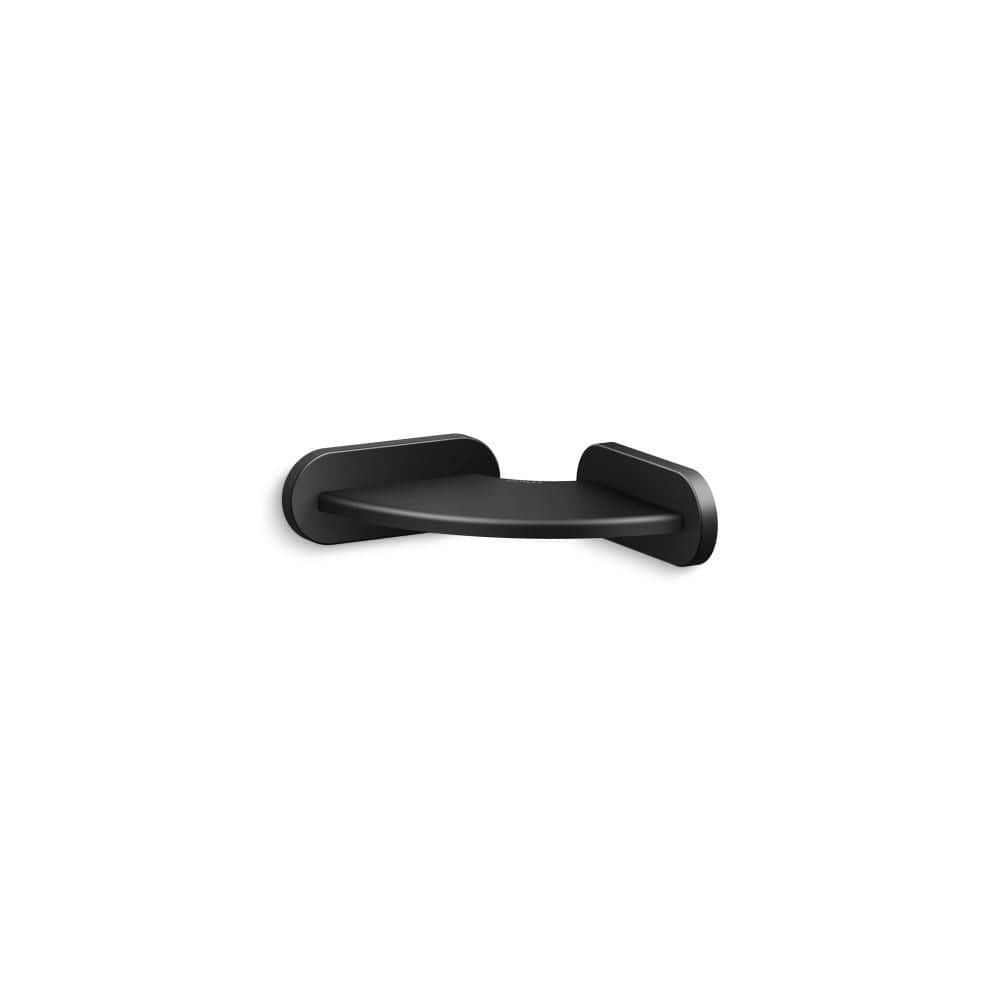
When you want a securely mounted option without a full remodel, wall-mounted shaving pedestals are the middle ground between permanent and freestanding.


Wall-mounted shaving pedestals vary in how they install - some attach with heavy-duty adhesive, others screw directly into the shower wall. This is worth thinking through, since it affects both the durability of the mount and how much weight it can safely hold. Like the permanent options, you can typically choose the height that works best for your body and shower layout.

Finding the Right Height and Placement
Height is the detail people skip and then regret. A foot rest mounted too low won't actually make shaving or washing easier, and one mounted too high can feel awkward or throw off your balance.
General height guidance:
Most in-shower foot rests sit somewhere between 12" and 20" off the shower floor
A good starting point for most adults is around shin height - roughly where your calf muscle starts, so your knee bends comfortably when your foot is up
If more than one person in the household will use it, consider a height that splits the difference, or go with an adjustable/furniture-style option that can be repositioned
Placement tips:
Corner installations tend to work best in smaller showers, since they keep the footprint out of your main standing and movement area
Leave enough clearance so the foot rest doesn't interfere with the shower door swing or curtain
If you're tiling in a recessed niche, plan the placement before tile goes up - it's a lot harder (and pricier) to add later
For freestanding furniture options, look for a non-slip base or rubber feet so it doesn't slide around on a wet shower floor
Materials and What They Mean for Upkeep
The material you choose affects both how it looks and how much maintenance it needs long-term:
Teak wood - naturally water- and mildew-resistant, ages to a soft silver-grey patina if untreated (or can be oiled to keep the original tone). Rinse and let air dry between uses; occasional teak oil treatment keeps it looking newer longer.
Tile/recessed niche - blends seamlessly into the shower and requires basically zero separate maintenance beyond your normal shower cleaning, but it's the most permanent, hardest-to-change option.
Metal (aluminum, stainless, brass) - durable and easy to wipe down; matte black and brass finishes can show water spots more than polished chrome, so a quick wipe after use helps keep the finish looking sharp.
Plastic/resin - budget-friendly and often foldable, but can feel less sturdy underfoot and may show wear faster than wood, tile, or metal over time.
Installation Considerations
New construction/remodel: if you're already opening up the shower walls, a lugged or recessed option is worth the small extra planning, since it'll be the most seamless and secure long-term.
Existing tiled shower, no remodel planned: look for heavy-duty adhesive-mount or screw-mount wall options. Double check the weight rating, and always mount into a stud or use appropriate anchors for tile if screwing in.
Renting or want zero commitment: a freestanding teak or resin foot rest is the easiest option - no mounting, no damage to walls or tile, and it moves with you.
Water sealing: for anything mounted with adhesive or screwed into tile, seal around the mounting points with silicone to keep water from getting behind the wall.
Our Favorite In-Shower Foot Rests
Questech Decor Shower Footrest - a clean, polished white corner shelf built for new construction, great if you're remodeling and want a foot rest that disappears into the design.
Tile Redi USA Redi Ledge - a sleek black recessed ledge that doubles as a foot rest and a spot to set soap or shaving supplies.
Bernkot Recessed Shower Footrest - installed recessed into the shower wall and requires no tiling
Foot Rest Recessed Niche - a tile-in niche option for a totally seamless, built-in look.
Small Teak In-Shower Footrest - 12” corner stool to make the most of small space in the shower
AquaTeak Kai OptiAREA Corner Teak Foot Rest - compact and corner-shaped, ideal for smaller showers where floor space is tight.
Demi's Home Shower Foot Rest / Pedicure Foot Rest - a simple grey freestanding option, good for anyone who wants a no-commitment upgrade.
Grade A Teak Wood Shaving Pedestal Stool - a sturdier freestanding teak stool with a classic spa look.
Heavy Duty Aluminum Alloy Fold-Up Foot Rest - folds flat when not in use, handy for smaller or shared showers.
Wall Mounted Folding Foot Stool (Black) - a matte black finish for a more modern look.
Wall Mounted Foot Stool with Knurled Brass Bar - a stylish matte black and brass combo for a more elevated finish.
Elevease Shower Step - a no-tools install option, great if you want something secure without drilling into tile.
Square Foot Ledge - a minimal, understated wall-mounted ledge.
Frequently Asked Questions
-
Most in-shower foot rests sit between 12" and 20" off the shower floor, with shin height being a comfortable starting point for most adults. Adjust based on your own height and how you plan to use it.
-
No - while permanently installed and recessed options do require construction or tiling, wall-mounted and freestanding foot rests can be added to an existing shower with no remodeling needed.
-
Heavy-duty, shower-rated adhesive mounts can hold significant weight, but always check the specific product's weight rating and installation surface requirements. If you have any doubt, a screw-mounted or freestanding option is the safer choice.
-
Teak wood is one of the most popular choices because it naturally resists water and mildew, but tile, metal, and resin/plastic options are all viable depending on your budget, style, and whether you want something permanent or movable.
-
Yes - freestanding teak or resin foot rests are the best option for renters since they require no mounting or drilling and can move with you.
-
Corner options tend to work best in smaller showers since they keep the foot rest out of your main standing space, while straight wall-mounted or recessed ledges may offer more surface area if you have a larger shower to work with.
Conclusion
An in-shower foot rest is a small addition that makes a real difference in day-to-day comfort - whether you're shaving, washing, or just want a more spa-like shower experience. The right choice really comes down to how permanent you want the solution to be, how much space you're working with, and getting the height right so it's actually comfortable to use.
If I had to leave you with one piece of advice: figure out permanent vs. movable first, since that one decision narrows down almost everything else - material, installation, and height options all follow from there.
Now we want to hear from you - do you have an in-shower foot rest, or are you considering getting one? Which option is most appealing to you? Let us know in the comments below!



Discover why a cozy minimalist bedroom can genuinely help you sleep better, plus 35+ affordable finds for bedding, lighting, and decor that create a calm, restful space.