
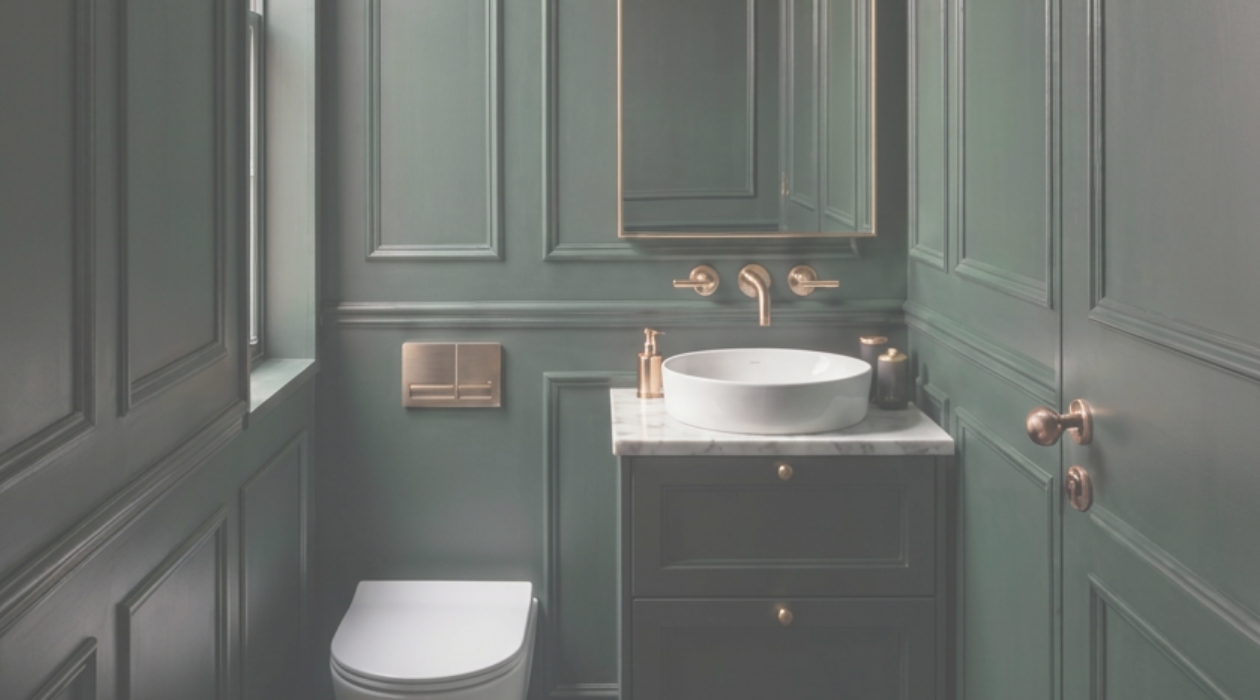
Best Small Bathroom Vanities for Vessel Sinks (2026 Guide)
If you've ever tried to squeeze a vessel sink into a tiny half bath or a cramped powder room, you already know the struggle. Most vanities on the market are built for standard drop-in or undermount sinks, so finding one that's actually sized and drilled (or not drilled) correctly for a vessel sink - and small enough to fit your space - can feel like a part-time job. I've been down this rabbit hole myself, and I put together this guide to save you the hours of tab-hoarding I did.
Below I'm walking through the two main types of vanities you'll run into, how to get the sizing and height right (this trips up more people than anything else), what to look for in the vessel sink and faucet pairing, and then sharing some of my favorite small vanities that work well with vessel sinks, organized roughly by size.
Affiliate Disclosure: As an Amazon Associate I earn from qualifying purchases. You should assume the owner of this website has an affiliate relationship and/or another material connection, to any suppliers of goods and services that may be discussed here and may be compensated for showing advertisements or recommending products or services, or linking to the supplier's website.
Table of Contents
Quick Buying Checklist
If you only have a few minutes, here's the short version - the things I'd check before adding anything to cart:
Measured your space - width, depth, and clear floor space in front of the vanity
Checked local building code - required clearances between the vanity, toilet, and shower/tub
Decided on type - all-in-one (top + sink included) or cabinet-only (build your own combo)
Confirmed the sink height - top of the vessel sink will land between 35"–36" from the floor
Picked a mounting style - floating/wall-mounted vs. freestanding
Chosen a faucet - vessel-height (or wall-mounted) faucet that clears the sink's rim
Decided overflow vs. no overflow on the sink
Confirmed countertop material and cutout (or no cutout) match the sink you're using
Checked the P-trap and drain height will work with the cabinet depth
If you can check all of these off, you're in good shape to order with confidence.
Types of Small Bathroom Vanities for Vessel Sinks
Before you start browsing, it helps to know that small vanities for vessel sinks generally fall into two camps.
Small Bathroom Vanity With Top and Vessel Sink Included
This is the all-in-one option - cabinet, countertop, and vessel sink (and sometimes even the faucet) are sold as a single set.
Benefits:
Everything is designed to work together, so you don't have to worry about sink placement, faucet hole spacing, or the top being the wrong size for the sink
Usually more cost-effective than buying each piece separately
Faster to install since there's less guesswork
Small Bathroom Vanity Without a Top or Vessel Sink Included
This is the cabinet only. You choose the countertop, sink, and faucet separately.
Benefits:
Far more flexible and customizable - you can mix and match styles, materials, and finishes
Lets you choose different sink orientations, faucet placements, and countertop overhangs
Better option if you already own a vessel sink you love, or if you can't find an all-in-one set in the exact dimensions your bathroom needs
If this is your first vanity project, the all-in-one route is usually the less stressful choice. If you're particular about aesthetics or you're working with an unusual footprint, going piece-by-piece gives you more control.
Finding the Right Size Small Bathroom Vanity for a Vessel Sink
Size is where most small-bathroom projects live or die. Before you fall in love with a vanity, check your local building code - most areas require a minimum amount of walkway space in front of the vanity, as well as minimum clearance between the vanity and the toilet or the shower/tub. Codes vary by city and county, so it's worth a quick call to your local building department or a look at your municipality's website before you buy. Getting this wrong can mean a failed inspection or a return shipment.
As a general rule of thumb (always double-check your local code):
Aim for at least 21 inches of clear floor space in front of the vanity
Aim for at least 15 inches from the centerline of the sink to any side wall or obstruction, and the same from the centerline of the toilet
Leave a few extra inches of buffer between the vanity and the toilet or tub if you can - it makes the whole space feel less cramped, even if code allows tighter spacing
Measure your space twice (width, depth, and the height to any window, mirror, or medicine cabinet above) before you order anything.
Height for a Small Vanity Cabinet With a Vessel Sink
This is the detail that catches the most people off guard. Because a vessel sink sits on top of the counter instead of being recessed into it, the sink itself adds several extra inches of height that a standard sink doesn't.
The rule I always go by: you want the top rim of your vessel sink to land between 35" and 36" from the floor, at most. Go much higher than that and the sink starts to feel awkward to use, especially for kids or shorter members of the household.
A few ways to manage this:
Floating (wall-mounted) vanities are ideal for vessel sinks because you can adjust the mounting height to compensate for the height of the sink itself, rather than being locked into a fixed cabinet height
If you've already picked out a taller vanity and still want to use a vessel sink, look for a low-profile or shallow vessel sink to keep the total height in check
Vessel sink height typically adds anywhere from 4" to 8" on top of the counter height, so always check the sink's exact height spec before finalizing your vanity choice
Things to Consider When Choosing a Vessel Sink
Once you've got the vanity narrowed down, the sink itself deserves just as much thought:
Size vs. counter space - decide whether you want a smaller vessel sink that leaves more open counter space around it, or a larger one that takes up most of the top. In a small bathroom, a smaller sink often makes the room feel less crowded.
Faucet clearance - make sure there's enough room behind or beside the sink for your faucet, and pay attention to how tall the faucet is relative to the sink's rim. A faucet that's too short will make it hard to wash your hands without hitting the spout.
Overflow vs. no overflow - sinks with a built-in overflow drain are safer against accidental flooding but tend to cost a bit more and can be trickier to find in vessel styles. Decide early since it affects which drain hardware you'll need.
Shape and material - round bowls are the most forgiving in tight spaces, while rectangular or vessel-on-a-slant styles can look striking but need a wider counter to sit safely. Common materials include ceramic, tempered glass, natural stone, and hammered metal - each with different maintenance needs (glass and stone show water spots more, for example).
Pairing a Faucet with Your Vessel Sink
Because vessel sinks sit above the counter, they typically need a taller faucet than a standard sink - usually a "vessel filler" or "vessel-height" faucet, specifically labeled as such by the manufacturer. A regular counter-height faucet will often sit too low and make the sink awkward or impossible to use. When shopping for a faucet, check:
The spout height and reach - the spout should clear the rim of the sink and land water toward the center of the basin, not the edge
Single-hole vs. widespread mounting - this needs to match the holes (or lack of holes) in your countertop
Wall-mounted faucets as an alternative if your countertop doesn't have faucet holes at all - a popular option with vessel sinks
Finding a Top for Small Bathroom Vanities for Vessel Sinks
If you've gone with a vanity that doesn't include a top, you'll need to source one separately (or have one cut to size). A few things to keep in mind:
Make sure the cutout or lack of cutout matches your sink style - vessel sinks typically just need a flat top with no cutout, since the bowl sits on top rather than dropping in
Popular countertop materials for small bathrooms include quartz (low maintenance, consistent look), marble (classic but needs sealing), butcher block (warm, but needs regular sealing near water), and solid-surface tops (budget-friendly and easy to clean)
Double-check the overhang on all sides - a top that's too small for the cabinet will look off, and one that's too large can eat into your already-tight walkway clearance
If you're custom-ordering a top, bring your vessel sink's base diameter and your faucet's hole spacing to the countertop fabricator so they can drill (or leave undrilled) accordingly
Popular Styles for Vessel Sink Vanities
Vessel sinks work with almost any design direction, but a few pairings show up again and again in small bathrooms:
Modern/Minimalist - clean-lined cabinets (often floating), matte black or white finishes, and a simple round or rectangular ceramic or glass vessel sink. Great for making a small space feel less cluttered.
Farmhouse - wood-toned or shiplap-style cabinets, oil-rubbed bronze or matte black faucets, and a simple white ceramic vessel bowl. Works especially well with a shorter, freestanding vanity.
Coastal/Nautical - light woods, rattan or woven fronts (like the Modway rattan pick above), and glass or light stone vessel sinks. Pairs nicely with brushed nickel or brass hardware.
Industrial - black metal legs or hardware, dark wood or concrete-look tops, and a hammered metal or dark stone vessel sink for contrast.
Traditional - arched cabinet doors, warmer wood tones, and rounded porcelain vessel sinks with a widespread faucet.
If you're not sure which direction to go, start with your faucet and hardware finish - it's usually the easiest anchor point to build the rest of the room around.
A Few Installation Tips I Wish Someone Had Told Me
Order your sink and faucet before the countertop is cut. Countertop fabricators need exact measurements for the sink base and faucet holes, and it's much easier to match a countertop to hardware you already have than the other way around.
Silicone, don't caulk with standard caulk, around the base of the vessel sink where it meets the counter - 100% silicone sealant handles the constant water exposure better and won't yellow as fast.
Double check your P-trap and drain height before you buy the vanity. Because a vessel sink drain sits higher than a standard sink, you sometimes need to adjust the drain assembly or trap height to make everything line up inside a small cabinet.
Test-fit the faucet and sink together on the counter (even just resting them in place) before final installation to make sure the water lands where you expect.
Maintenance and Cleaning Tips
A little routine care goes a long way toward keeping a small vanity and vessel sink looking new:
Painted or finished wood cabinets - wipe with a soft, slightly damp cloth and avoid harsh cleaners or excess water pooling at the base, which can cause swelling or finish damage over time. Dry any splashes promptly.
Rattan or woven fronts - dust regularly with a soft brush or vacuum attachment, and avoid soaking; wipe with a barely damp cloth only when needed to keep the natural fibers from warping.
Matte black or black metal finishes - use a microfiber cloth and avoid abrasive scrubbers or bleach-based cleaners, which can dull or discolor the finish. Water spots show up more on matte black, so a quick wipe-down after use helps.
Ceramic or porcelain vessel sinks - clean with a mild, non-abrasive cleaner; avoid vinegar-based or highly acidic cleaners on any glazed finish long-term, as they can wear down the glaze.
Glass vessel sinks - a glass cleaner or diluted vinegar solution works well for water spots, but dry it afterward since standing water shows up quickly on glass.
Stone (marble, granite) vessel sinks or tops - reseal periodically per the manufacturer's recommendation, and stick to pH-neutral stone cleaners rather than anything acidic, which can etch the surface.
Silicone seal at the sink base - check it every few months for cracking or peeling, since that's the seal keeping water from getting underneath the sink or into the cabinet below.
Some Of Our Favorite Small Bathroom Vanities For Vessel Sinks
Here are some of the small vanities I like for vessel sink setups, split by type and roughly ordered from smallest to largest within each so you can scan for your footprint. Many of these vanities also come in different finishes, colors, and some even come in alternate sizes. With that in mind, if the size works but you’re not sure about the color for your space, make sure to check and see if has another color that could be a better fit before disregarding it!
Quick Comparison Table
(Sorted by width within each type. Click through for current pricing, since retailer prices and availability change.)
Without Top or Vessel Sink Included
With Top and Vessel Sink Included
| Vanity | Dimensions (W x D x H) | Mount Style |
|---|---|---|
| Freestanding Modern Black Vanity with White Ceramic Top and Vessel Sink | 18" x 20.5" x 34" | Freestanding |
| Wall Mounted Wood Tone Vanity with Top and Glass Vessel Sink | 24" x 19" x 19.3" | Wall-mounted |
| Vanity with Vessel Sink Top (eclife) | 24" x 20" x 32" | Freestanding |
Bathroom Vanity Without a Top or Vessel Sink Included:
These give you full control over your countertop, sink style, and faucet - you'll need to source the top and vessel sink separately (see the Finding a Top and Choosing a Vessel Sink sections above for guidance).
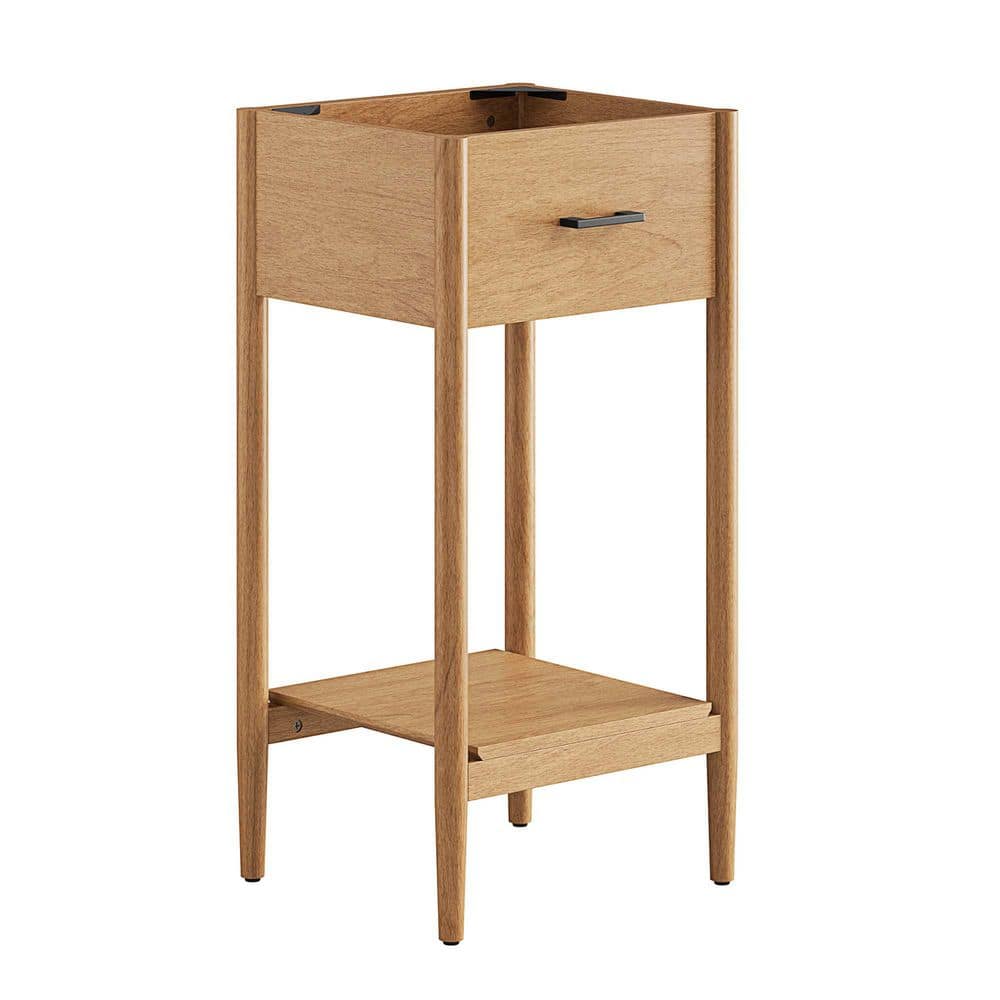


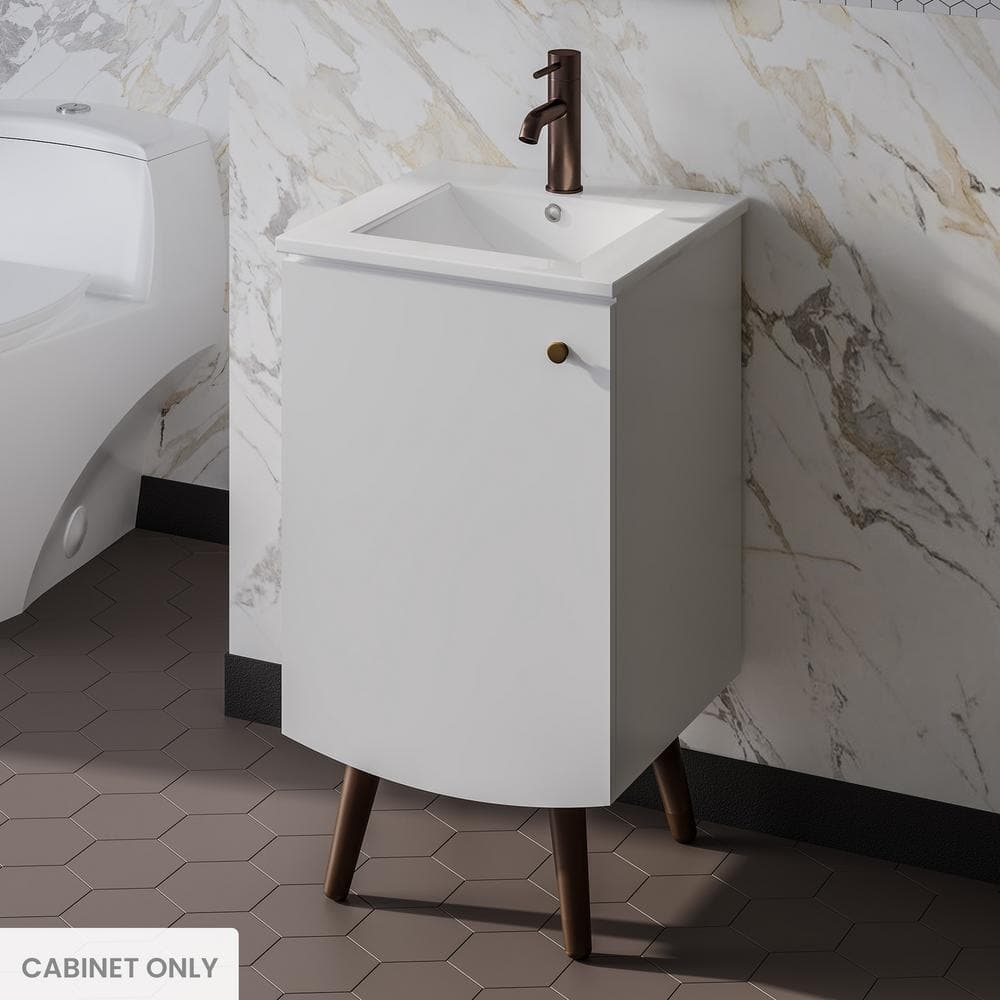
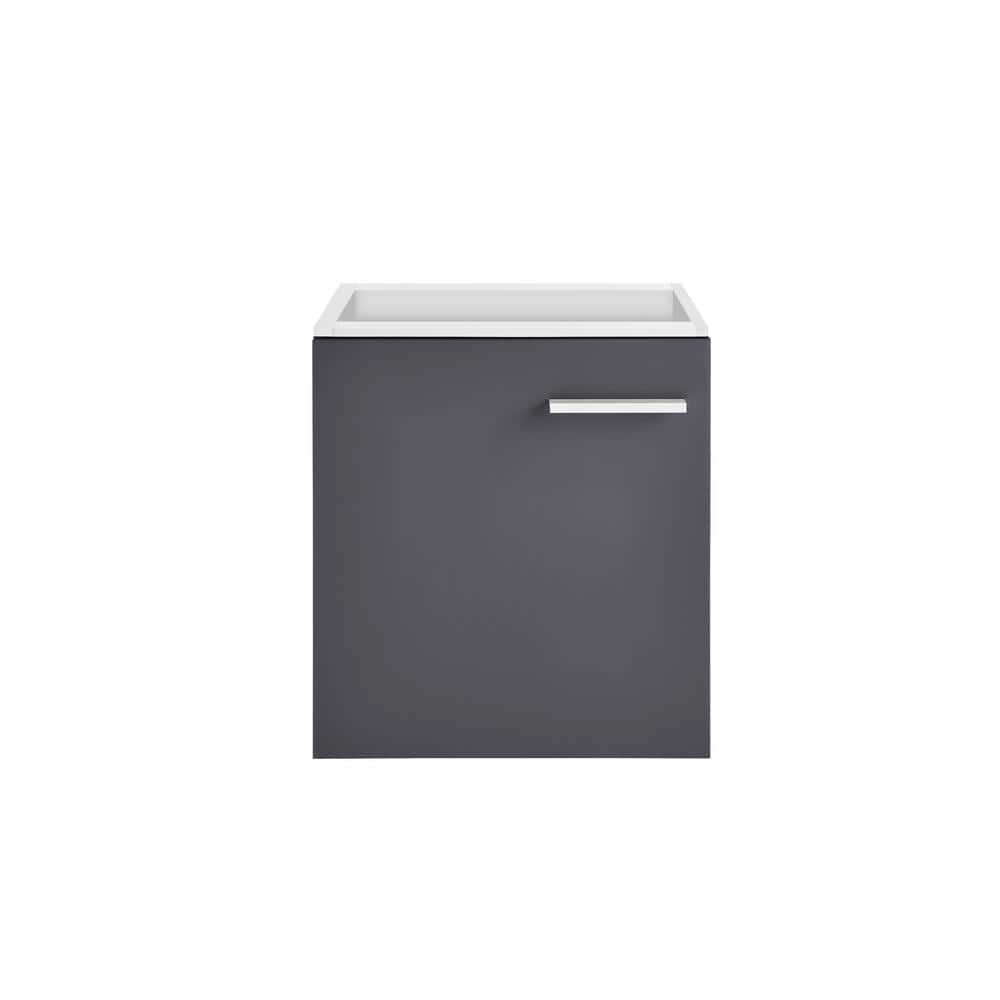
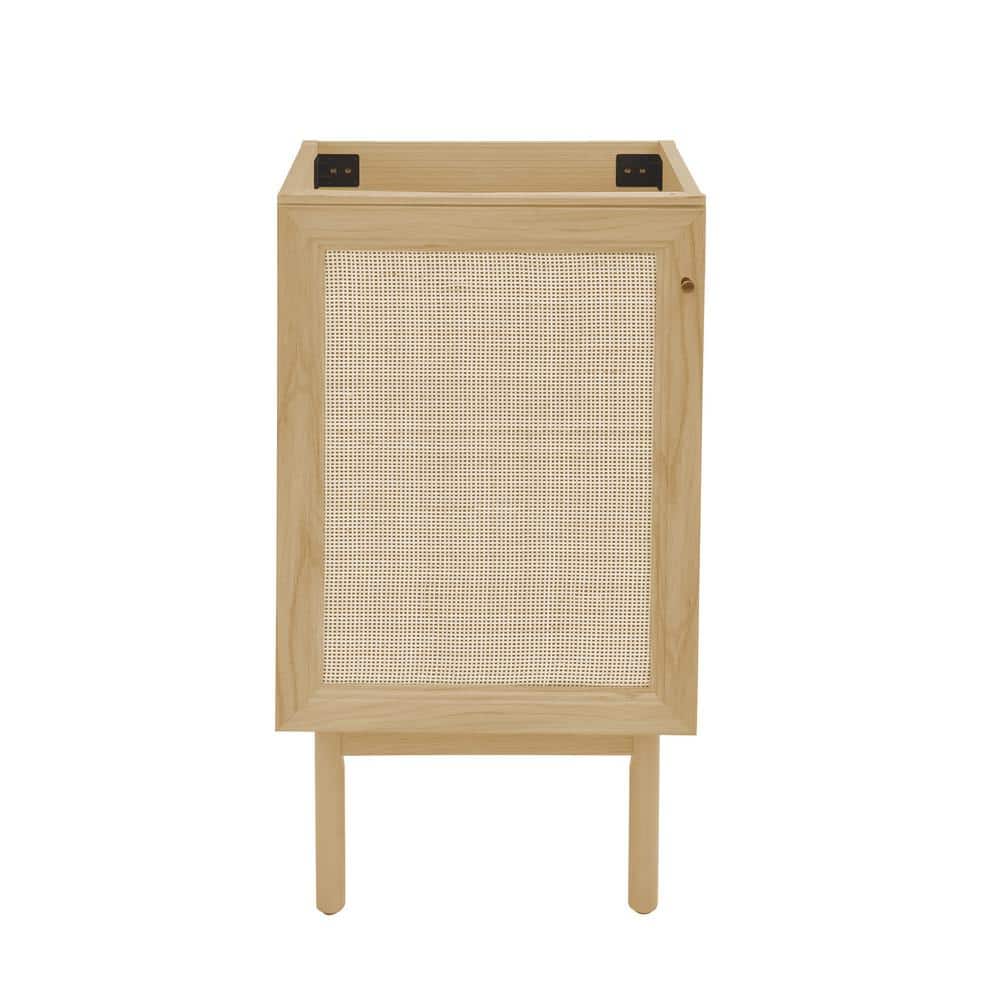
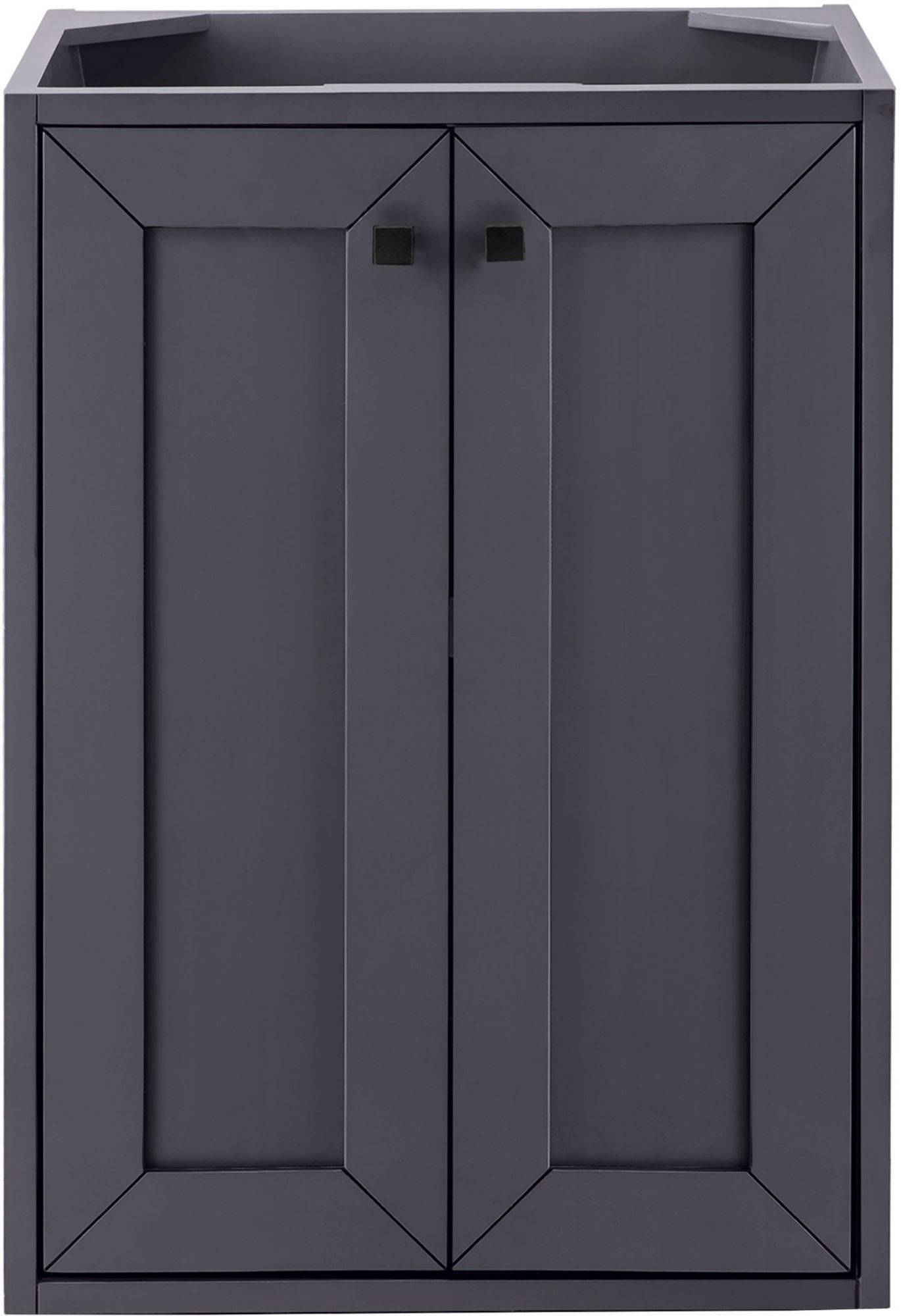
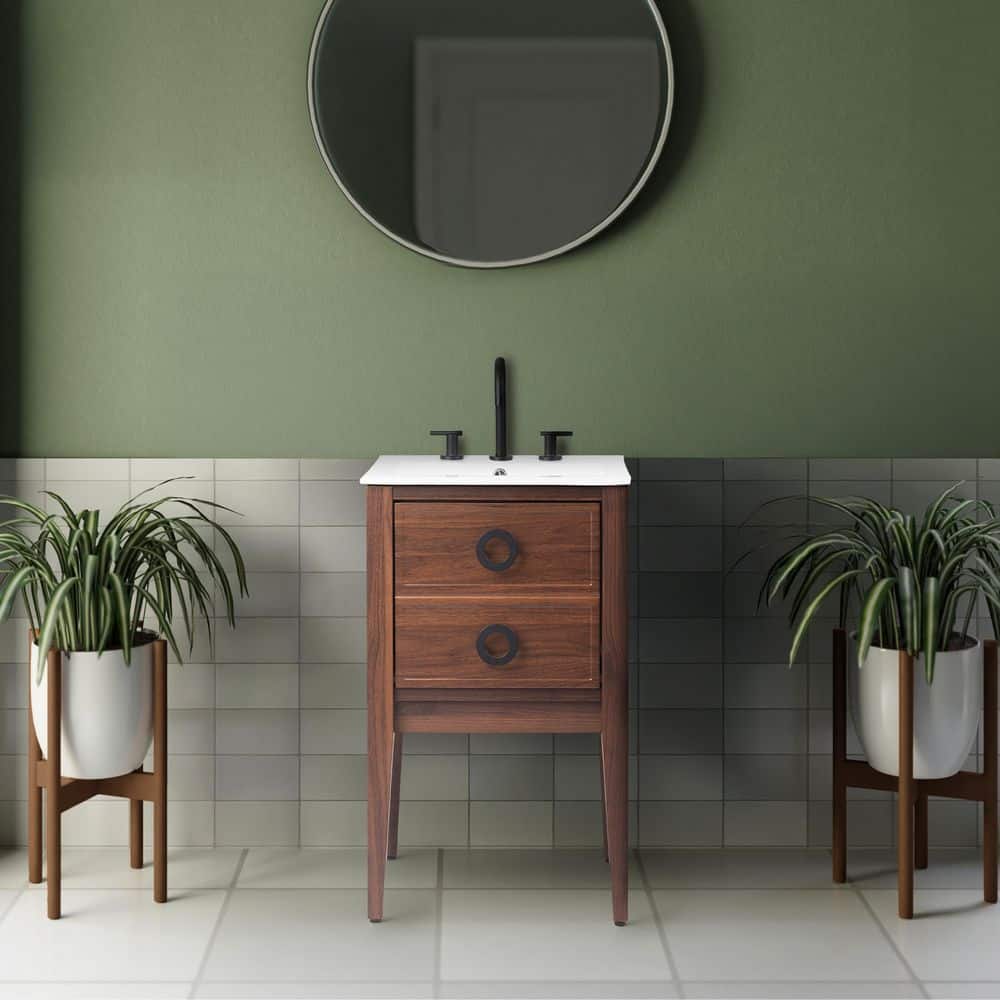
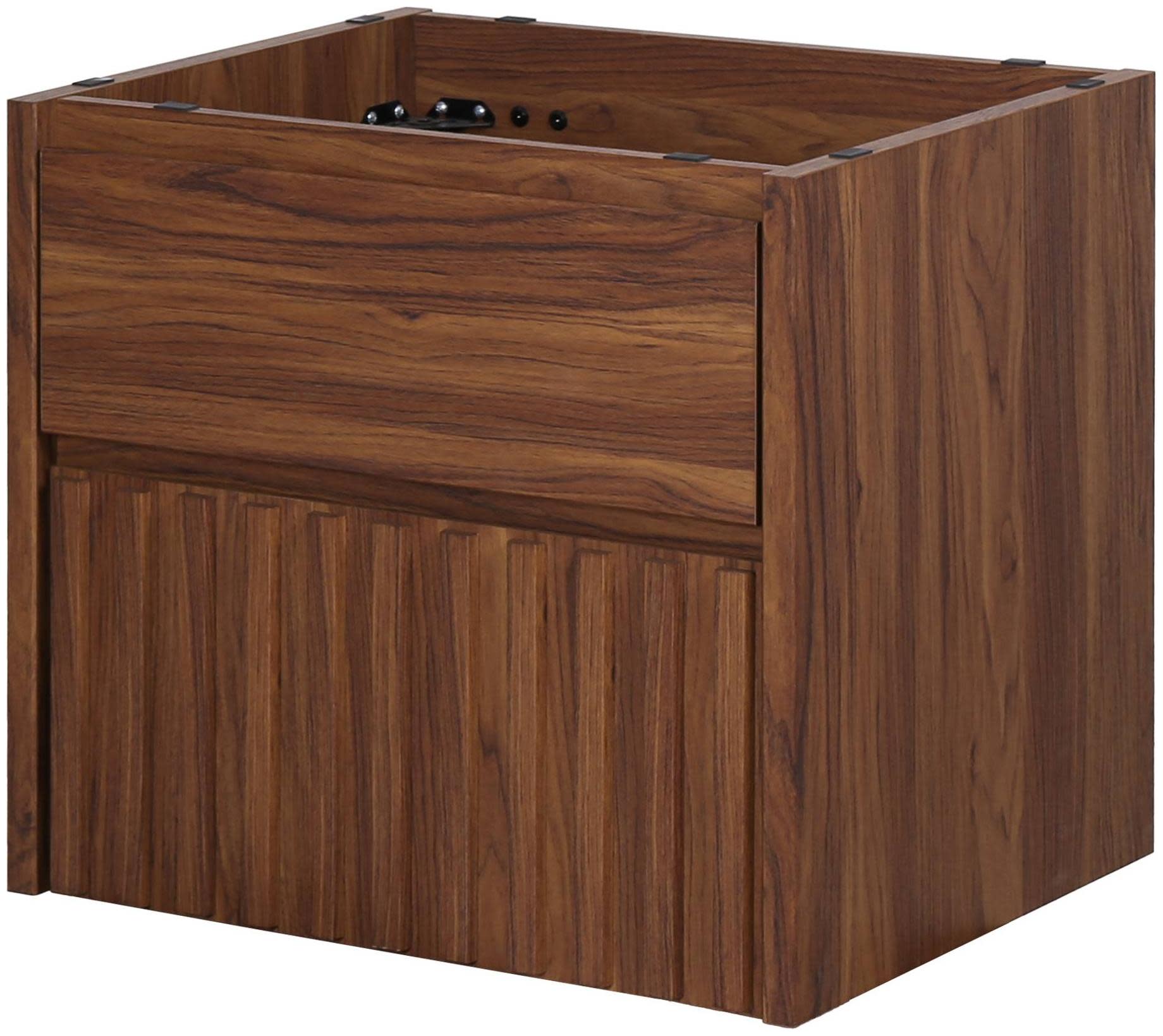
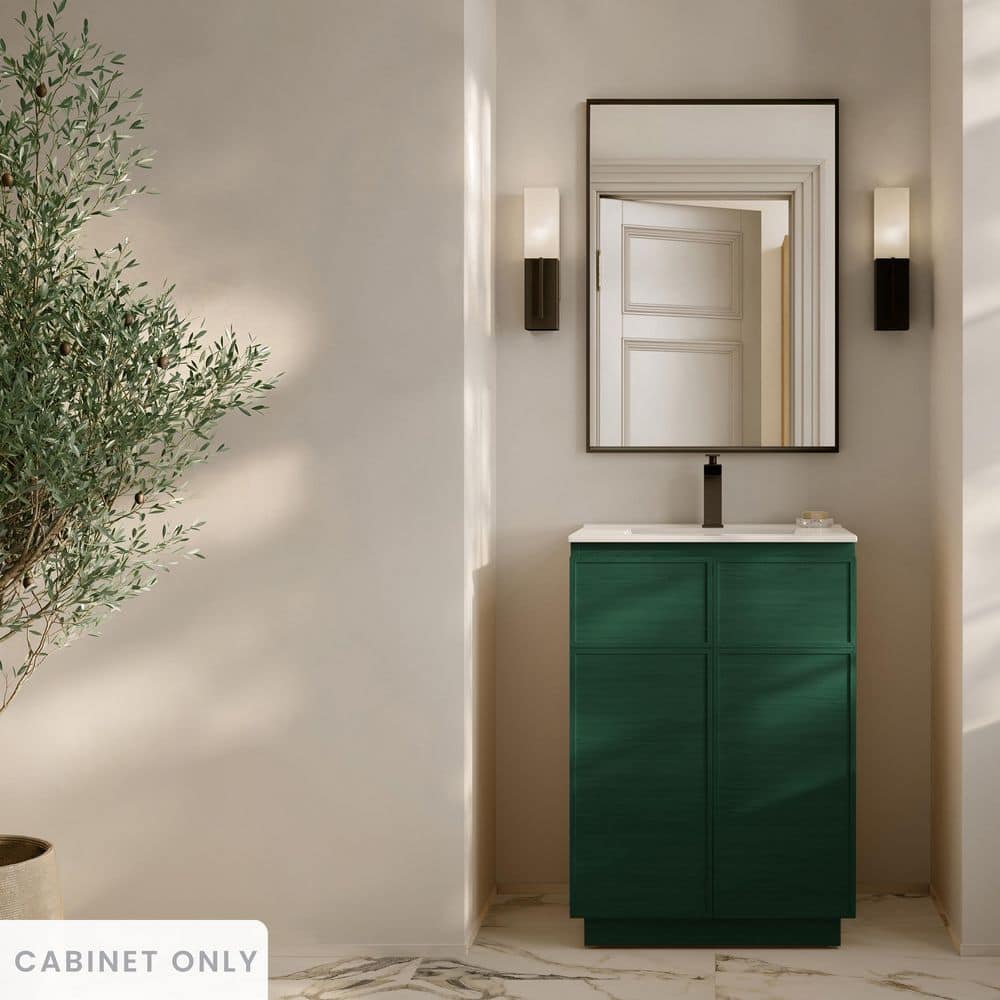
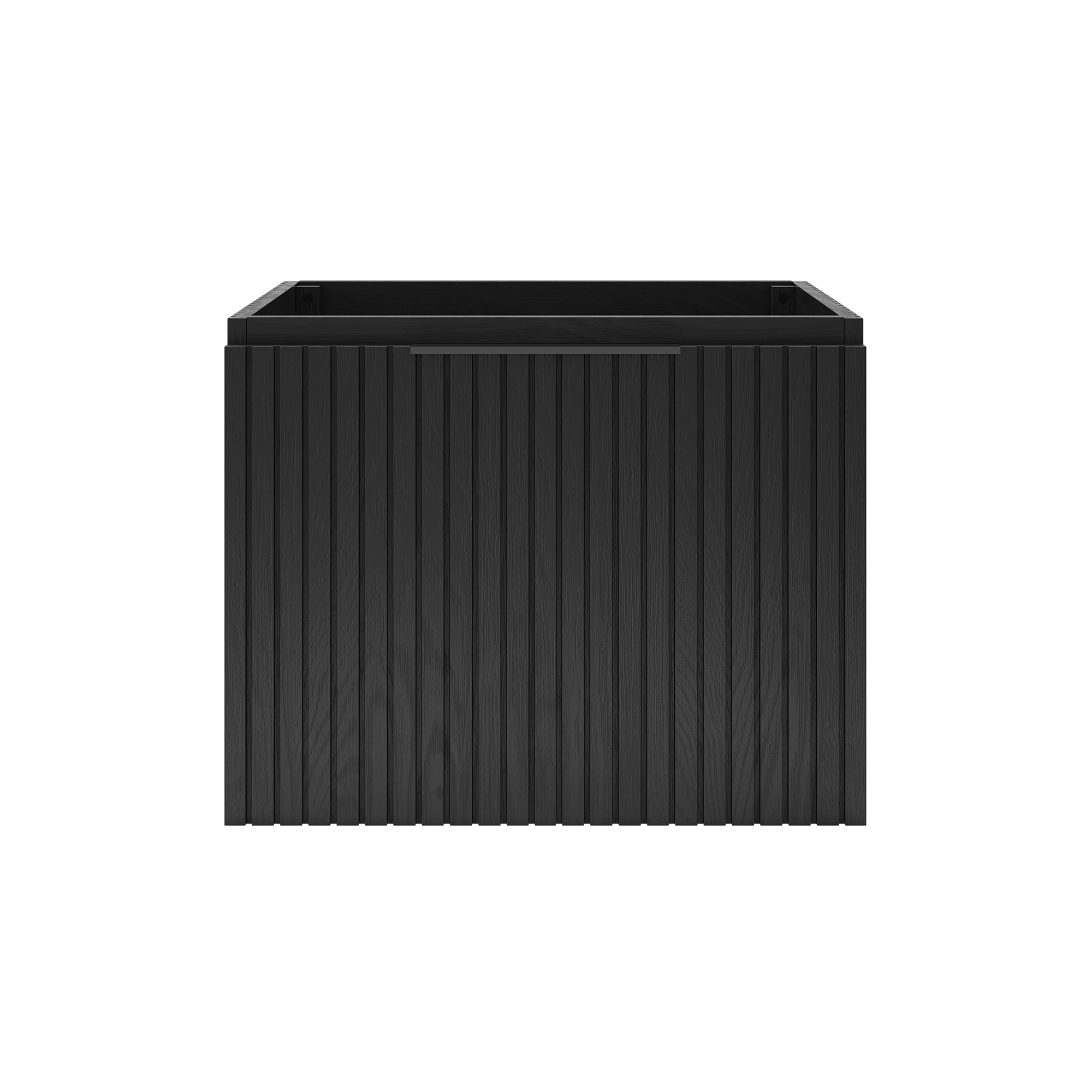
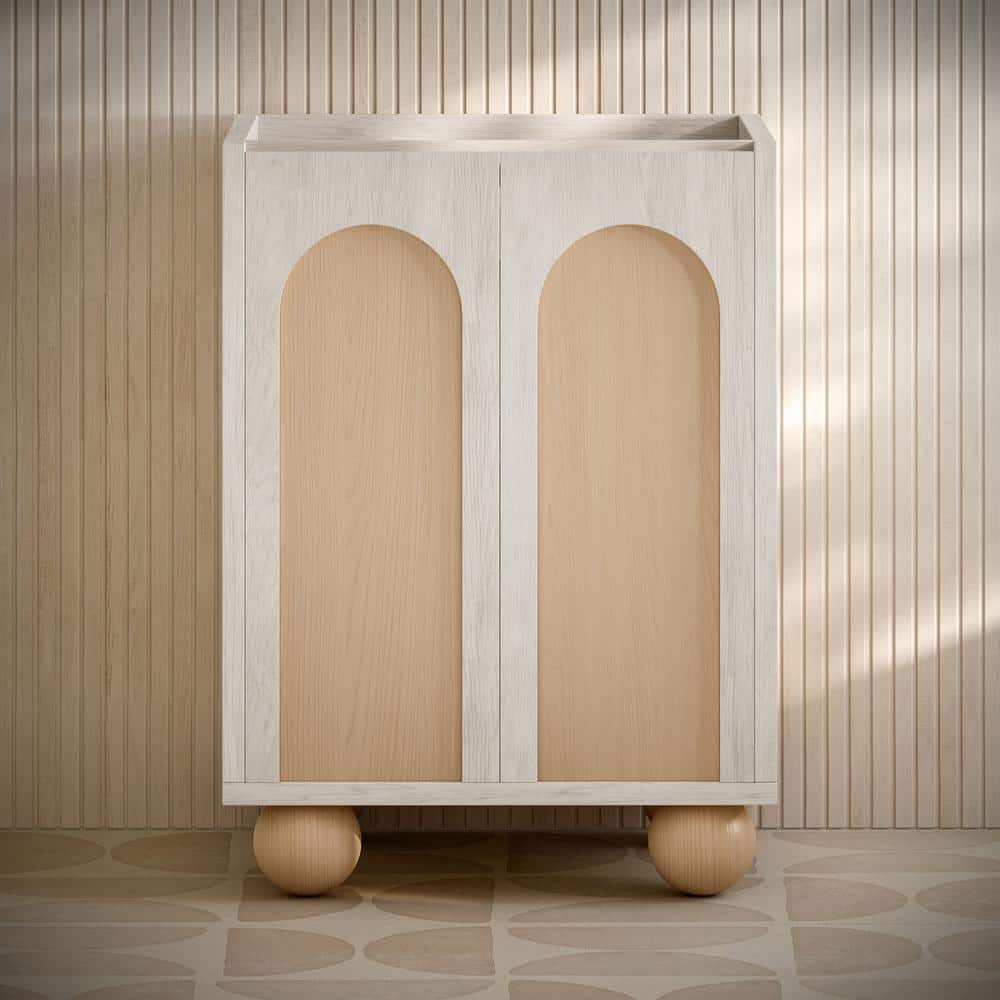
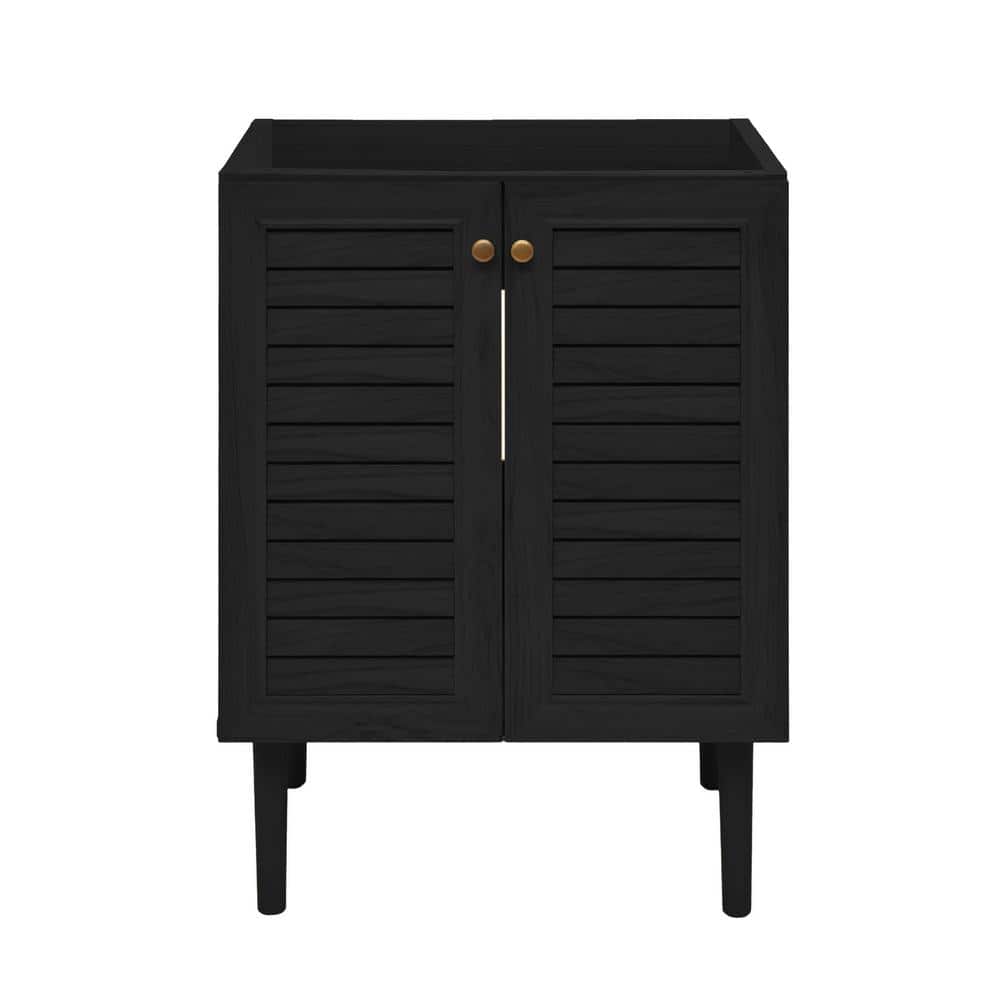
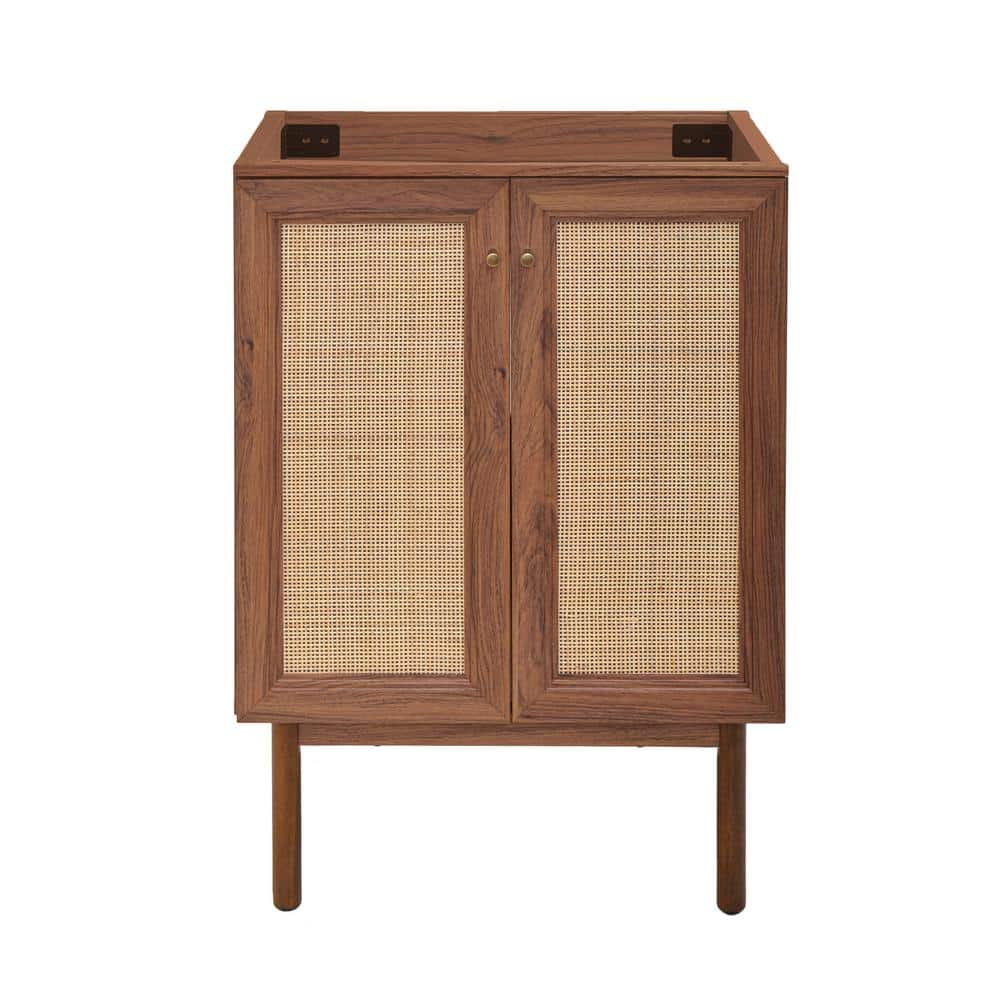
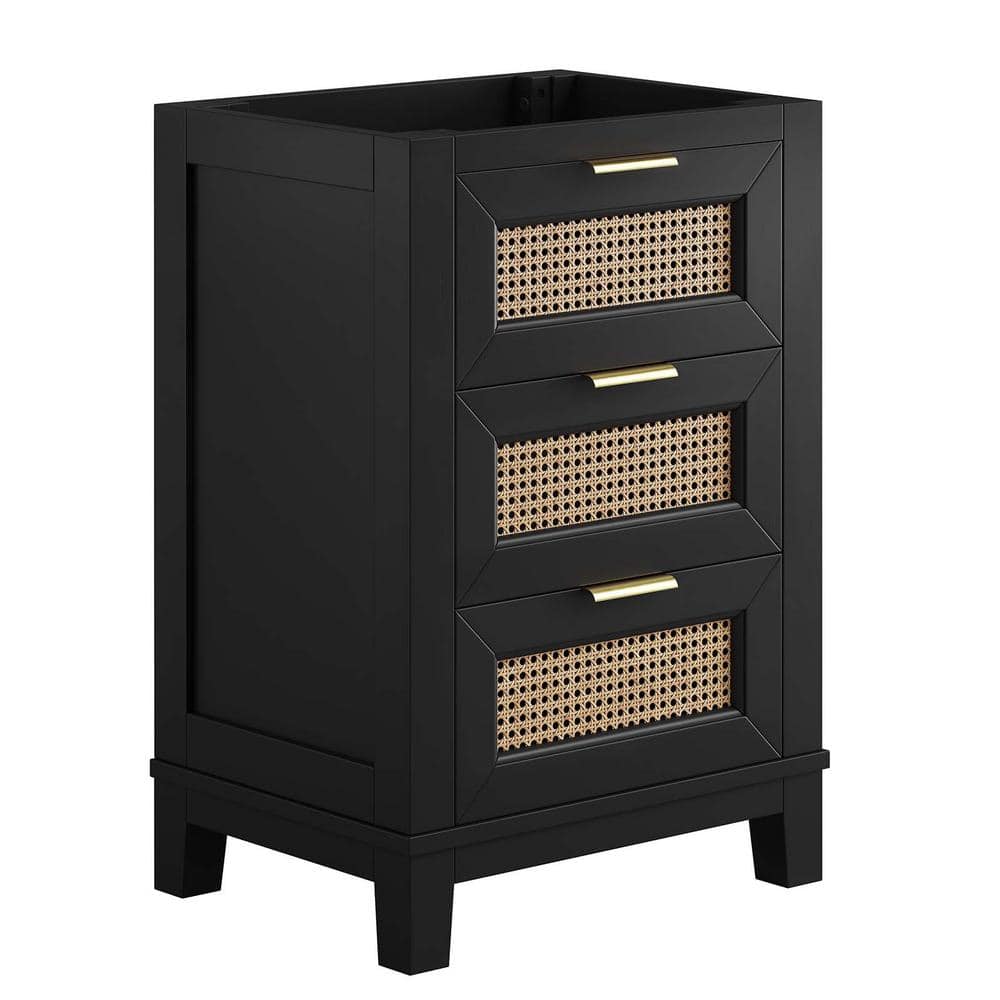
(Prices, availability, and specs can change on retailer sites, so I'd always click through and confirm current dimensions before ordering.)
Vanities With Top and Vessel Sink Included:
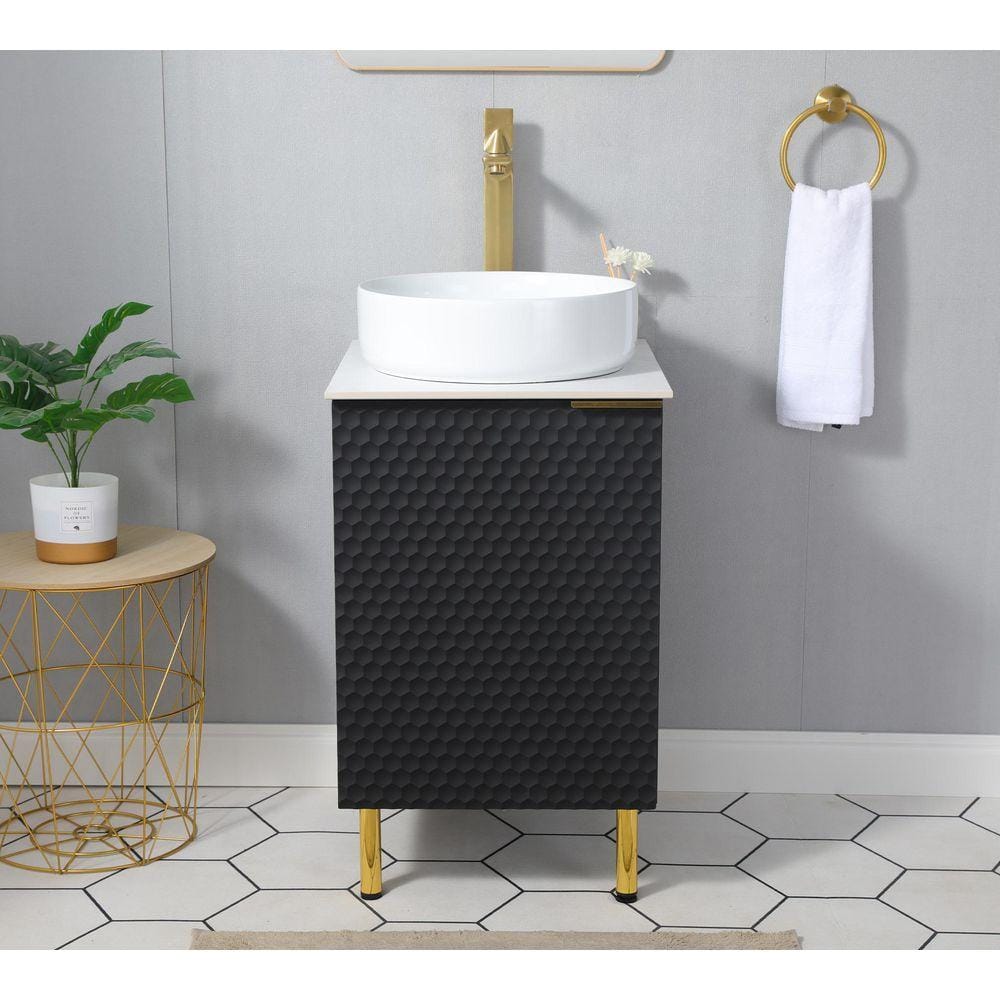
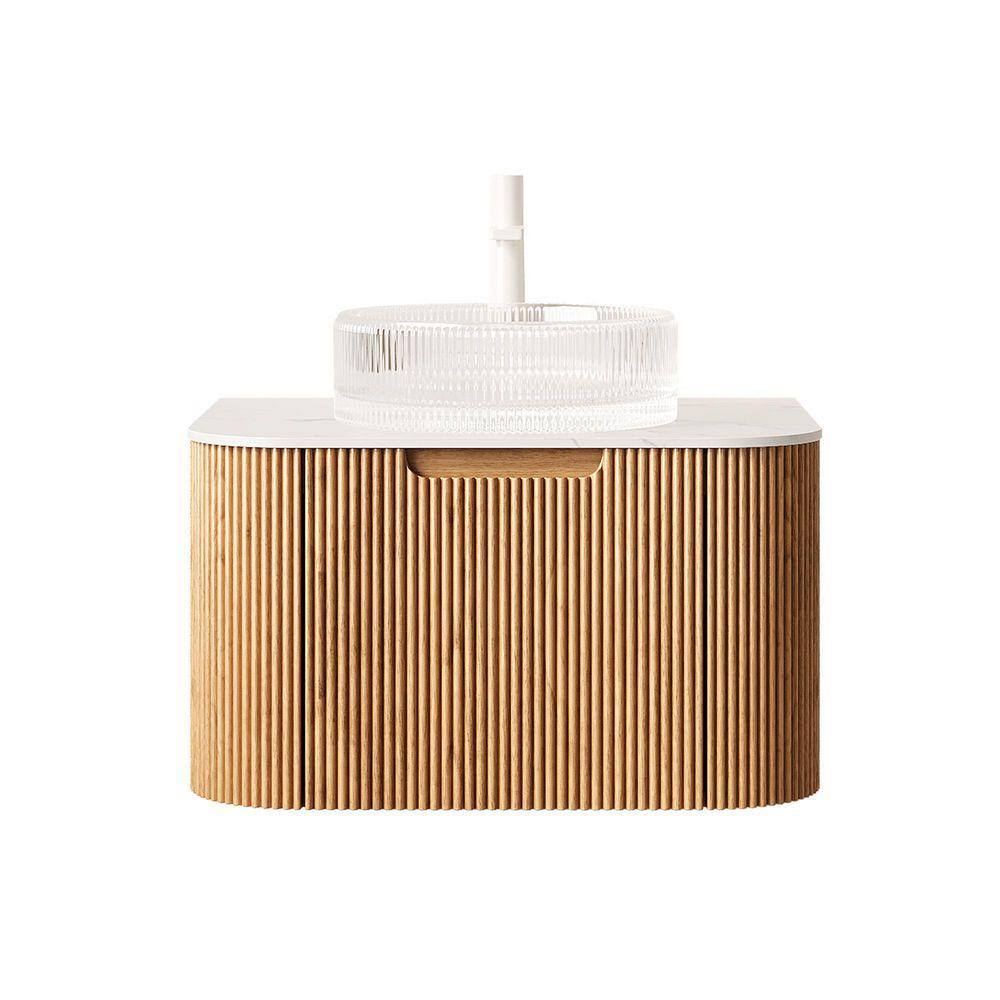
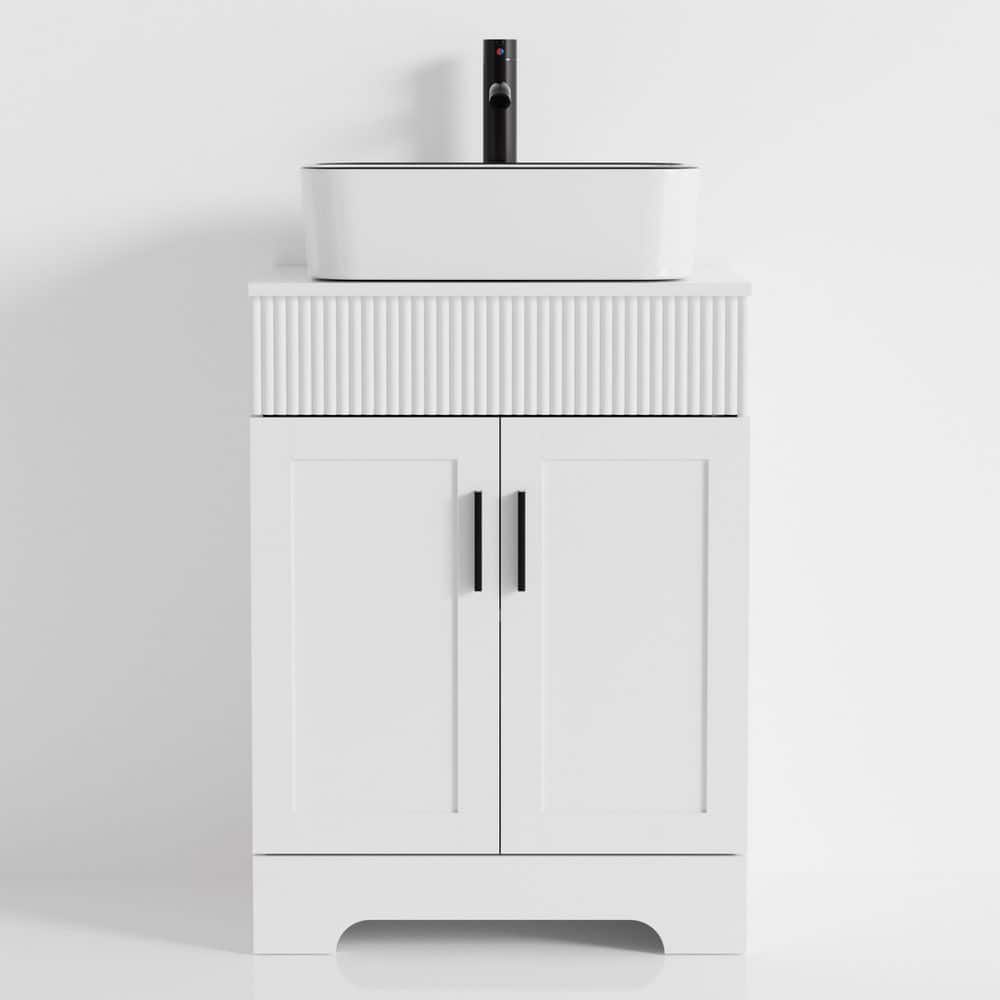
(Prices, availability, and specs can change on retailer sites, so I'd always click through and confirm current dimensions before ordering.)
Frequently Asked Questions
-
Most small bathrooms do well with a vanity between 16" and 24" wide. Anything narrower than 16" starts to limit storage and counter space significantly, while anything over 24" may crowd a truly small room. Always measure your specific space and check local code for required clearances before deciding.
-
Not necessarily a special vanity, but they do need a top with the right cutout (or no cutout, since most vessel sinks sit on top of a flat surface) and enough clearance height to keep the sink's rim in a comfortable range. A vanity without a top gives you the most flexibility here.
-
Aim to keep the top of the vessel sink between 35" and 36" from the floor. Since the sink itself adds height on top of the counter, you may need a shorter vanity or cabinet base than you would with a standard sink.
-
In most cases, yes, as long as the top is flat (no cutout) and can support the weight of the sink, and there's enough clearance for the faucet you plan to use. Just be mindful of the total height once the sink is added.
-
Usually, yes. Vessel sinks typically require a taller faucet (often labeled "vessel" or "vessel-height") so the spout clears the rim of the bowl and directs water toward the center of the basin rather than the edge.
-
Not really - vessel sinks actually tend to be easier to wipe down since there's no recessed basin edge to catch grime. The main upkeep difference is watching for water spots on glass or stone bowls and keeping the silicone seal at the base clean.
-
Some do and some don't. If overflow protection is important to you (for example, if you have young kids who might leave the water running), look specifically for a vessel sink listed with a built-in overflow drain, since not all styles include one.
Conclusion
Finding the right small vanity for a vessel sink really comes down to three things: getting your measurements and local code requirements sorted first, paying attention to height so the sink doesn't end up sitting too high, and deciding early whether you want the simplicity of an all-in-one set or the flexibility of building your own combo. Get those three right and pretty much any style you love - floating, freestanding, wood, black, rattan, whatever fits your space - will work.
If I had to leave you with one piece of advice, it's this: measure twice, and don't fall in love with a countertop or faucet until you know it'll actually pair with the sink and vanity you're planning around. That's the step people skip, and it's the one that causes the most returns and headaches.
Hopefully this saves you some of the searching I had to do. If you've found a small vanity and vessel sink combo that worked great in your bathroom, I'd love to hear about it - feel free to drop a comment below.


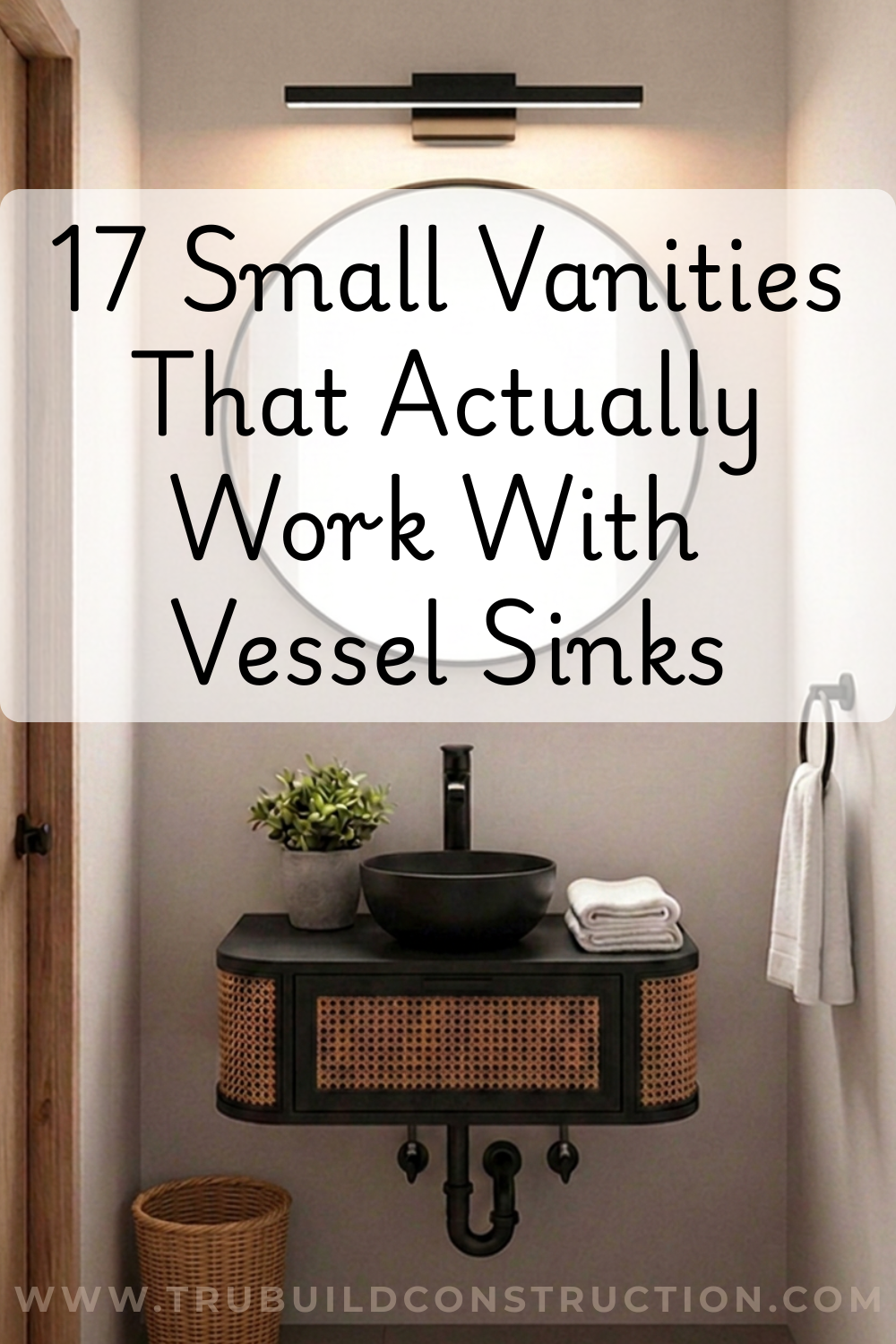
Struggling to find a small vanity that actually fits a vessel sink? Here's how to get the sizing, height, and style right - plus our favorite picks, both with and without the top included.