

How To Choose The Best French Door Handle Sets For Your Home
Choosing the right french door handles can be a tricky task. The configuration of french doors adds some complexity to installing door handles, especially when you need them to lock.
When trying to choose the right french door handle set configuration and lock, you want to consider the function of the doors and how you will be using the space. Below, we're breaking down every configuration you might run into - fixed, privacy, keyed, and bolt locks, for both interior and exterior doors - along with the measuring and terminology details that make shopping for hardware so much less confusing.
Affiliate Disclosure: As an Amazon Associate I earn from qualifying purchases. You should assume the owner of this website has an affiliate relationship and/or another material connection, to any suppliers of goods and services that may be discussed here and may be compensated for showing advertisements or recommending products or services, or linking to the supplier's website.
Table of Contents
Consider the Function of Your Space First
Some examples would be:
For french doors between two sitting areas or on a closet, you may just need decorative handles for the doors.
If the french doors are located on a bedroom, you may want an option for them to lock when you are inside the room.
When it comes to french doors on an office, you might want the option to lock the doors with a key when leaving to maintain privacy.
For exterior french doors, you know you'll want to make sure the handle set has a sturdy lock that will keep your home protected from intruders.
Do French Doors Have Handles On Both Sides?
The short answer would be: it depends.
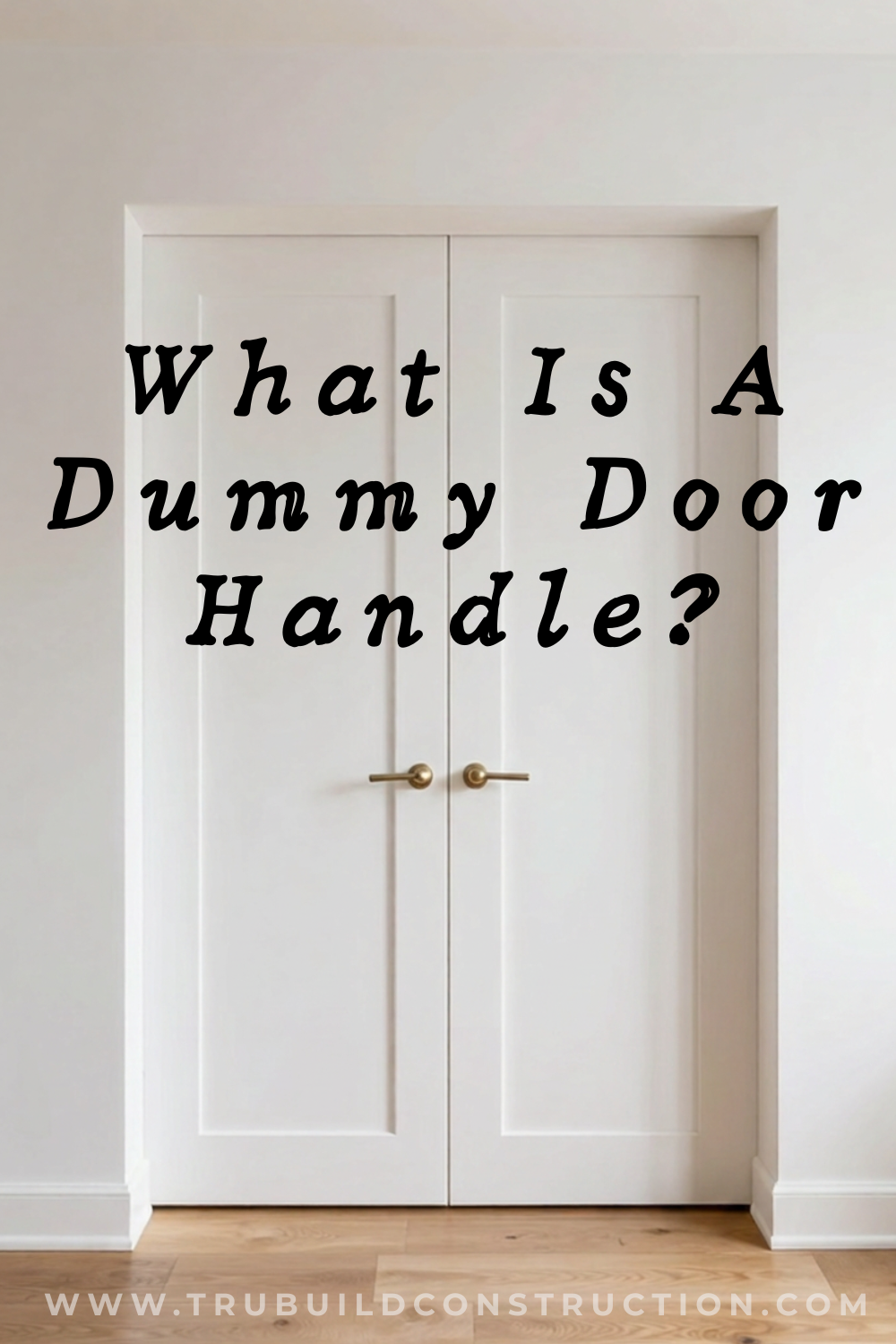
Often one of the handles on a french door does not move and is purely decorative, also called a dummy handle. This is because not all french door configurations would necessarily need handles on both sides.
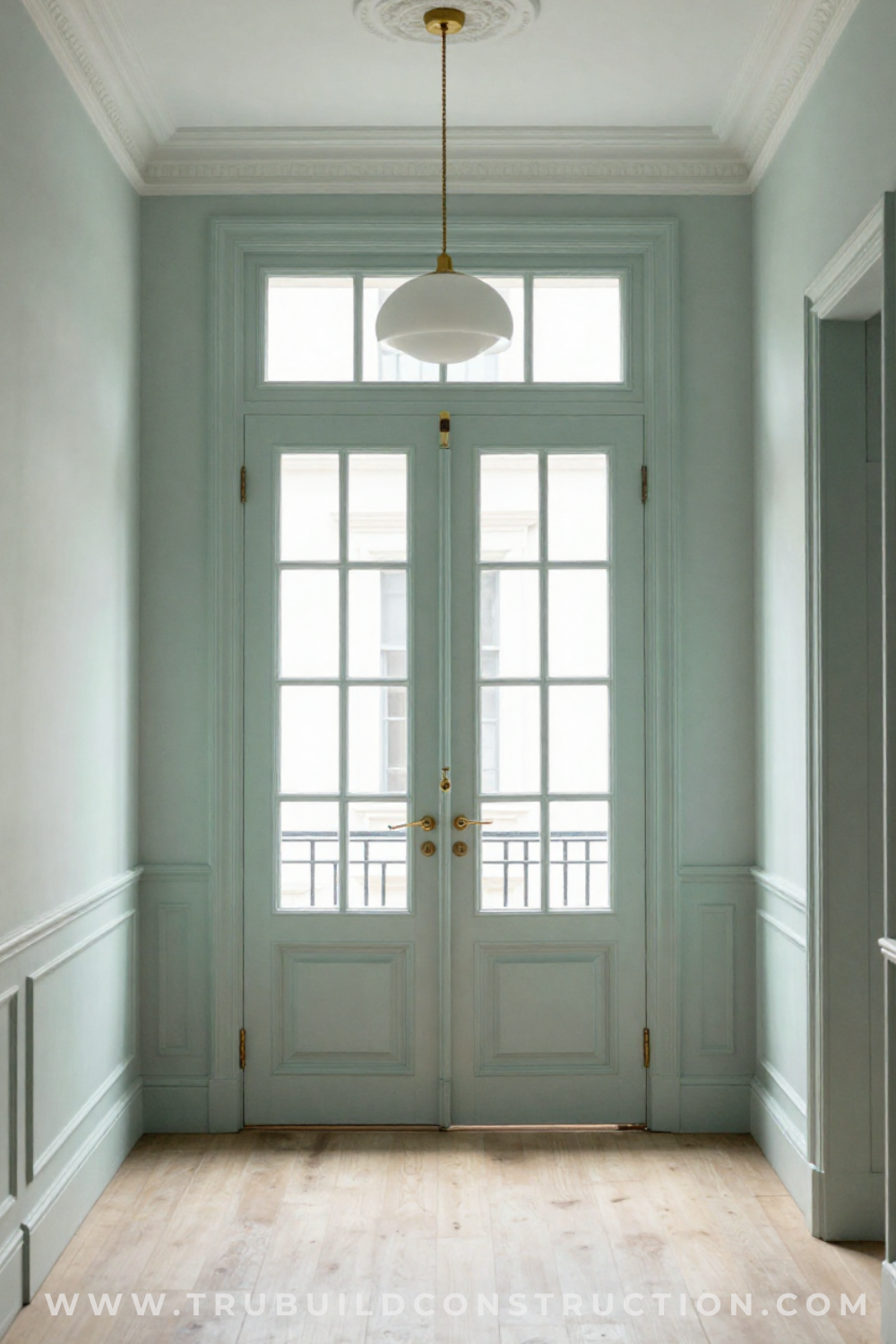
That said, unless the door will be stationary, or not move at all from its position, it can be preferable to at least have a decorative handle on both the right and left hand sides to hold onto when opening and closing in order to avoid having to directly touch the door.
When it comes to french doors on closets, the handles would only be required on the side of the door that faces the room to allow for opening and closing the doors, but not needed on the inside of the closet.
French Door Hardware Glossary
French door terminology trips up a lot of shoppers, so here are the terms you'll see over and over while shopping, in plain language:
Dummy handle - A non-turning, decorative-only handle with no latch mechanism. It's there to grip when opening or closing the door, not to operate a lock.
Active door - The door you actually open and close in daily use; this is the door your "handing" is based on.
Inactive (fixed) door - The door that stays closed most of the time, secured by flush bolts or a ball catch, with the astragal trim attached.
Handing - Whether your door swings and operates from the left or right side; this determines which handle set (and which side the lock sits on) you need to order.
Astragal moulding - The T-shaped trim piece attached to the inactive door that covers the gap between the two doors for privacy and security.
Backset - The distance from the edge of the door to the center of the hole where the handle or knob is installed; this needs to match your door prep.
Bore - The diameter of the hole(s) drilled into the door face and edge for the handle and latch hardware. Doors can be single-bored (one hole, for a dummy or passage set) or double-bored (two holes, for a lock plus deadbolt).
Strike plate - The metal plate installed on the door jamb that the latch or bolt closes into.
Privacy lock - A lock operated by a button or turn-piece on the inside only, with no key - common for bedrooms and bathrooms.
Keyed lock - A lock that can be secured and released with a key, typically used where you want to lock a room from the outside, like an office.
Flush bolt - A bolt-style lock recessed into the top and/or bottom edge of a door, used to secure the inactive door into the frame and/or floor.
How Does French Door Hardware Work?
If it isn’t clear to you how french door handles work, we are here to help remove the mystery.
French doors can have a number of configurations depending on the purpose of the doors.
In general, interior french doors come so that either side can be opened without impacting the other side. This is a common configuration for closet doors or other situations when you do not plan to install locking hardware.
When you buy interior french doors, they will often come with a hole in the top of each door. That is meant for the door’s ball catch hardware (see image below). The plate gets installed on the top of the door jamb, and the ball catch into the hole in the top of the door. This hardware is how the french doors stay closed.

To start the process of selecting the handles for your interior french doors you’ll need to decide if you want the doors to lock or not.
If they are not going to lock, you will then choose between fixed handles or turning handles.
If they are going to lock, you'‘ll want to decide between locking from the inside (with a button or other manual lock), or if you will have a keyed handle set that can be locked from either the inside or the outside.
If you want to have a lock on your interior french doors, you will first want to decide which handing you prefer for your door.
To decide on right or left side handing for your door:
Stand on the side of the door where you can see the hinges - the doors will be swinging toward you.
The door you want to open first will determine the handing, either the right or left door.
Once you have decided on the handing, you’ll need to install a T-shaped trim piece called astragal moulding to the exterior side of the opposite door, or the one that will be “fixed”. This piece of trim serves a purpose of giving you privacy by blocking the space between the doors. It also provides security to help prevent people from accessing the lock through the gap in the doors.
Exterior french doors come with this trim attached to provide sufficient security. That is why you should take extra care to make sure to select the correct handing for your exterior french doors when ordering.

How to Measure: Backset, Bore, and Handing
Getting a handle set that actually fits your existing door prep is one of the most common places people run into trouble, so it's worth measuring carefully before you order anything.
Check your backset. Measure from the edge of the door to the center of the existing bore hole. The most common residential backsets are 2-3/8" and 2-3/4" - make sure your new hardware matches, or you'll be re-drilling the door.
Check your bore diameter. Most standard doors use a 2-1/8" cross bore for the lock body and a 1" edge bore for the latch, but some decorative or European-style hardware uses different sizing - always compare to your door's existing prep, or the manufacturer's spec if the doors are new/unbored.
Confirm single-bore vs. double-bore. If you want a keyed lock plus a separate deadbolt, you'll need a door prepped for double-boring. A single-bore door can only accommodate one handle/lock mechanism.
Reconfirm handing before you order anything keyed or privacy-locking. As covered above, stand on the hinge side of your active door to determine right- or left-hand - this affects which specific SKU you need for many lever sets, since the locking mechanism has to land on the correct side.
Measure the door thickness. Standard interior doors are usually 1-3/8", while exterior doors are typically 1-3/4". Handle sets are generally adjustable within a small range, but it's worth confirming compatibility, especially with heavier exterior handlesets.
Interior French Door Fixed Handle Sets
If your handle will mostly be serving a decorative purpose with the function being just for pushing or pulling, you will want to purchase dummy handles for the doors.
If the door will be accessible from both sides, you’ll want to purchase two sets of two handles, 4 handles total. Keep in mind that if you choose a lever style, you’ll want to make sure to choose both right hand and left handed handles.

![Berlin Modisch Dummy Lever Door Handle Pack of 2 Slim Square Non-Turning Single Side Pull Only Lever Set [for Closet or French Doors] Heavy Duty - Satin Nickel Finish](https://m.media-amazon.com/images/I/312YslbRVXL._SL500_.jpg)


Interior French Door Locking Privacy Handle Sets
To install privacy handles on your interior french doors, you can purchase one set of dummy handles and one set of operable privacy handles (handles that are able to turn).
The dummy handles will go on the inside and outside of the door opposite to the one you selected for your handing, the one with the astragal trim attached to the exterior.
The operable privacy handle set will be installed on the door you chose for your handing. The strike plate for that operable privacy handle should attach to the inside of the opposite door.
If you choose lever door handles, make sure to pay attention to the handing. You’ll want to ensure the handing matched your door handing correctly so that the push button lock is on the inside of the door.


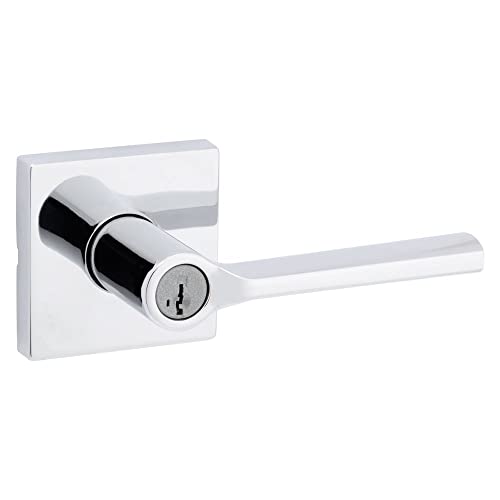
Interior French Door Locking Keyed Handle Sets
Similar to the privacy handles above, to install keyed handles on your interior french doors, you can purchase one set of dummy handles and one set of keyed handles.
The dummy handles will go on the inside and outside of the door opposite to the one you selected for your handing, the one with the astragal trim attached to the exterior.
The keyed handle set will be installed on the door you chose for your handing. The strike plate for that keyed handle should attach to the inside of the opposite door.
If you choose lever door handles, make sure to pay attention to the handing. You’ll want to ensure the handing matched your door handing correctly so that the keyed side is on the exterior side of the door.




Interior French Door Bolt Locks
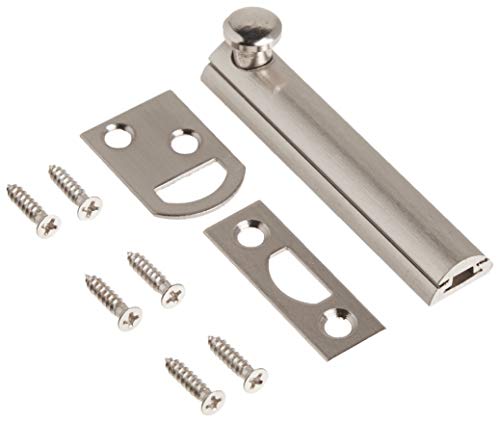
When it comes to more secure locks for your interior french doors, you also have the option of bolt style locks.
These locks are installed on the door and lock up into the door jam, down into the floor, or both. They can be paired with locking handle options above or with only dummy handles.




Exterior French Door Handle Sets
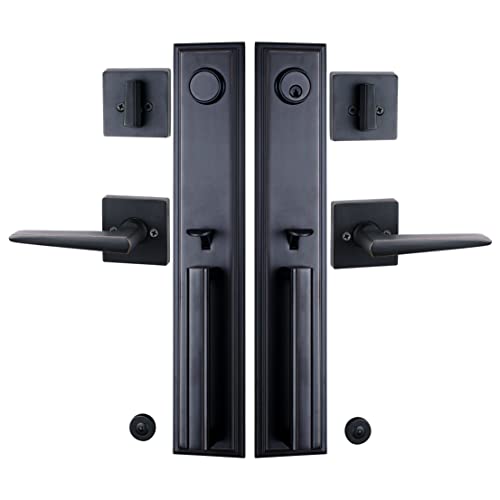
As I mentioned earlier, exterior french doors need to be ordered with the correct handing. This is because they come with heavy duty astragal trim attached to the secondary door - the door opposite of the primary handed door- for added security.
Unlike interior french doors, typically exterior french doors only have one handle set that gets installed on the primary door, or the one with your chosen handing. To have the most security possible, it is a good idea to select an exterior french door that is double bored for a handle set with both a locking handle and a deadbolt.




Matching Finishes Throughout Your Home
Since french doors are often installed between visible living spaces, the hardware finish matters more here than it might on a tucked-away closet door. A few things to keep in mind:
Match your existing hinges and hardware where possible. If your home already has matte black or satin brass hardware throughout, choosing french door handles in the same finish keeps sightlines feeling cohesive, especially in open floor plans where multiple doors are visible at once.
Warm metals (satin brass, antique brass, bronze) pair well with traditional and transitional homes, while matte black and polished chrome/nickel tend to read more modern or contemporary.
Consider the door's own finish and glass style. Clear or divided-lite glass french doors tend to show off hardware more than solid doors, so it's worth choosing a finish and shape you're happy having on display from both rooms.
Common Mistakes to Avoid
Ordering a keyed or privacy lever set before confirming handing. This is the single most common return reason with french door hardware - the lock mechanism ends up on the wrong side.
Mismatching backset or bore size. Always measure your existing door prep (or the manufacturer's spec sheet for new doors) rather than assuming a "standard" size will fit.
Forgetting the astragal moulding on the inactive door. Skipping this piece leaves a security and privacy gap between the two doors that a lock alone won't solve.
Choosing decorative dummy handles for a room that actually needs to lock. It's worth thinking through daily use (bedroom, office, bathroom) before finalizing style, since retrofitting a lock later means re-drilling the door.
Not accounting for door thickness with heavier exterior handlesets. Some higher-security handlesets are designed with specific thickness ranges in mind - double check before ordering for an exterior door.
Tools You'll Need for Installation
Most french door hardware swaps are approachable DIY projects if the door is already bored to a standard size. You'll typically want:
A tape measure (to confirm backset, bore, and door thickness before you order)
A drill, if you're installing a flush bolt, astragal moulding, or need to adjust an existing bore
A chisel, if your new strike plate or flush bolt requires a small mortise cut into the door jamb or edge
A pencil and a combination square, to keep new hardware or trim aligned and level
If your doors aren't pre-bored for the hardware you've chosen, or you're installing a full new handleset with a deadbolt on an exterior door, it's worth budgeting for a professional installer to ensure the security hardware is properly fitted.
Budgeting for French Door Hardware
Dummy handle sets (pair): roughly $15-$50
Privacy lever sets: roughly $25-$80
Keyed interior lever sets: roughly $30-$90
Flush bolts: roughly $15-$40 per set
Exterior handlesets with deadbolt: roughly $80–$300+ depending on brand and security features
Professional installation (if needed): typically $75-$200 per door, more if new boring or mortising is required
Frequently Asked Questions
-
For any lock that operates from one specific side - privacy or keyed levers especially - yes. Fixed/dummy handles typically aren't handing-specific since they don't have an operating mechanism.
-
In many cases, yes, but it typically requires re-boring the door for the lock and latch hardware, and installing (or confirming) the astragal moulding on the inactive door for proper security and privacy. This is a good project to have a professional handle if you're not comfortable drilling into the door.
-
A privacy lock locks and unlocks from the inside only, with no key - common for bedrooms and bathrooms. A keyed lock can be locked and unlocked from the outside with a key, which is useful for spaces like a home office where you want to secure the room when you leave.
-
Yes - exterior french doors should use a handleset rated for exterior security, ideally double-bored for both a lock and a separate deadbolt, along with the heavy-duty astragal trim already built into the inactive door.
-
A dummy handle is a non-turning, decorative handle with no latch. Whether you need one on both doors depends on whether both sides of the french doors will actually be used to open and close, versus one door remaining fixed in place.
-
Measure from the edge of your existing door to the center of the current bore hole. The most common residential sizes are 2-3/8" and 2-3/4" - matching this measurement avoids needing to re-drill your door.
-
It's best to match finishes between both handles on the same set of doors for a cohesive look, even though the dummy handle has no operating mechanism.
Conclusion
Trying to determine the best handle for french doors can be difficult, but I hope this information has been helpful as you search for the perfect set for you interior or exterior french doors. Make sure to take the function of the space into account and then decide whether or not you want (or need) the doors to lock. From there you’ll be able to decide between a the various configurations and locking options to best meet your needs.
I want to hear from you - Are you looking for a handle set for interior or exterior french doors? Do you have any questions about french door handle sets that didn’t get answered? Ask me below in the comments!







Discover why a cozy minimalist bedroom can genuinely help you sleep better, plus 35+ affordable finds for bedding, lighting, and decor that create a calm, restful space.